

About this course
You develop design skills through analysis of existing buildings and by solving realistic architectural problems in a Danish context. In studio projects, construct spatial models in physical and digital media and advance your communication skills in expressing abstract concepts. Studios are taught vertically, combining students of different levels. Expectations relate to you as an individual student.
Syllabus
Prerequisites
One drawing course at university level.
Recommended language course
Use the city as your classroom through the combined lens of learning more about Danish language and culture with a focus on architecture and design. If you enroll in this studio, consider also enrolling in the 3-credit elective course Danish Language and Culture for Architecture and Design Students.
See more details for Danish Language and Culture for Architecture and Design Students.
External university course
This course is taught in conjunction with the University of Copenhagen and will be taught on their campus, alongside local and international students, a short distance away from DIS classes.
Additional portfolio work required
Examples of studio work in a portfolio must be submitted to your studio instructor at the beginning of the semester. This will allow your instructor to become acquainted with your design skills and better tailor their teaching.

Faculty

Mads Hovgaard Laursen
Cand. Arch, KADK. Independent Architect, 2015-present. Lecturer, University of Hong Kong, School of Architecture, 2022-2024. Senior Researcher, Rural Urban Framework (RUF0, University of Hong Kong, 2022-2024. Guest Lecturer, Tongji University, Shanghai, China, 2023-2024. Lecturer, The Building Society Masters Programme, University of Hong Kong, 2023-2024. With DIS since 2025.

Cecilia Nilsson
Architect MAA (Royal Academy of Fine Arts, School of Architecture, Copenhagen, 1985). AART Architects (2019-2022), CCO Architects (2011-2018), SCAN Architects, Own Office (2003-2010), KHRAS Architects (1999-2003), Henning Larsen Architects (1994-1998), Vilhelm Wohlert Architects (1988-1993), PLS Architects, Interior design, (1987), Dissing and Weitling Architects (1985-1986). Worked as project manager in Building Design. With DIS (2003-2012) Architectural Studio, Visual Journal, Watercolor, Urban Journal, Adjunct Professor at Royal Academy of Fine Arts, Copenhagen, School of Architecture (1999-2000, 2004-2006). With DIS since 2022.
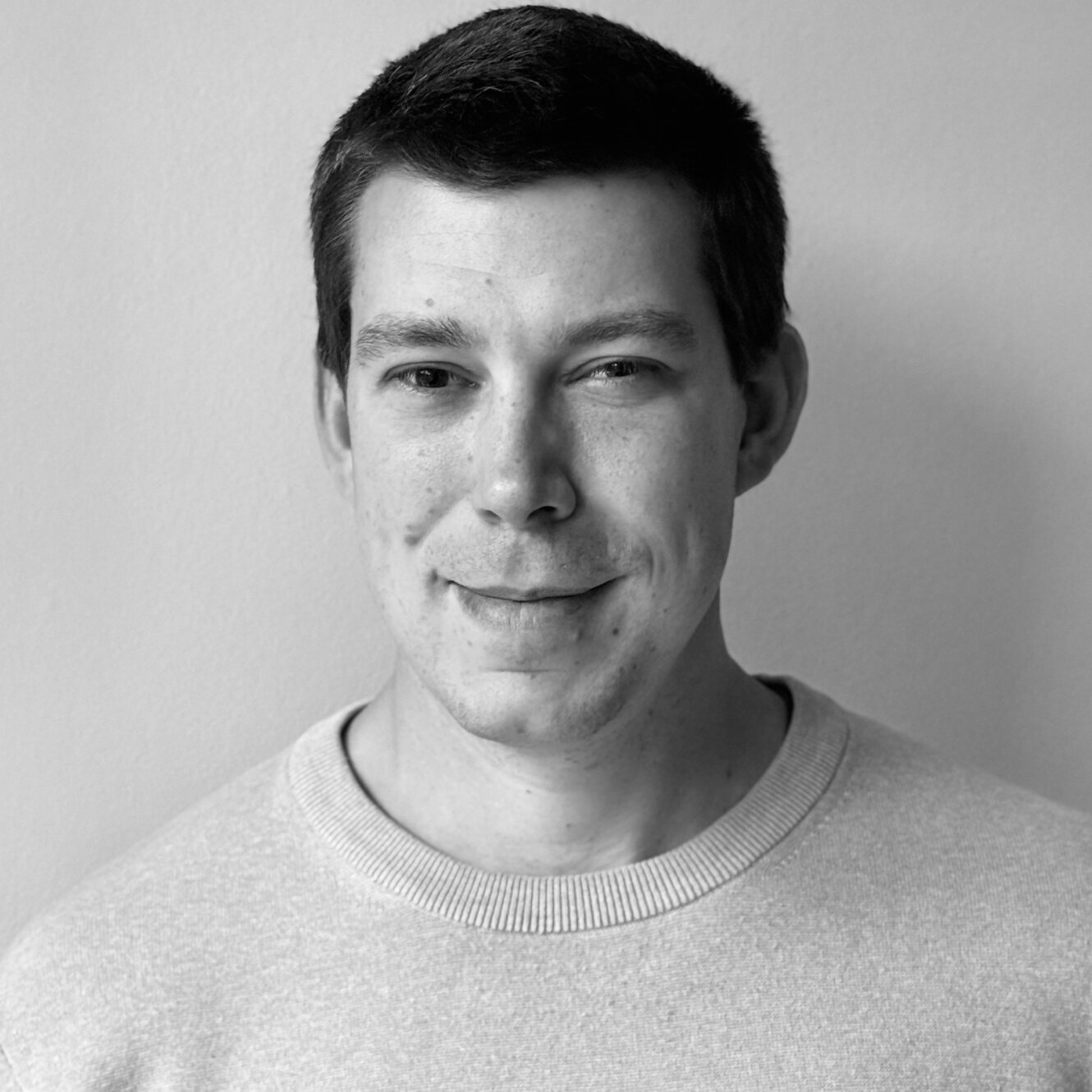
Christian Reese Cordes
Cand.Arch, Architecture and Sustainable Materials, Aarhus School of Architecture, 2022. Guest Teacher, Architecture and Furniture/Interior/Product Design, Scandinavian Design College, 2018–2022 and 2023–present. Teacher, Architecture, Scandinavian Design College, 2022–2023. Project Consultant, Saint-Gobain DK, 2023–2025. Guest Critic, DIS DK, 2025–present. Teacher, Architecture, Krabbesholm Højskole, 2026–present. With DIS since 2026.
Long Study Tour


Short Study Tour
About this tour
Core Course Week, including this short Study Tour to western Denmark, forms an integral part of your studio curriculum by exposing you to high-quality historic and modern architecture, as well as urbanism. Not only will you discover the qualities that make a building or site quintessentially ‘Danish,’ you will also experience Danish culture from traditional cuisine, art, and concerts. You will make studies of significant religious architecture, housing prototypes, innovative museum designs, and the integration of buildings into landscapes or urban fabrics.
These sites, as sensory architectural experiences, provide you the opportunity to develop your critical observation skills and diagrammatic and representational proficiency. Simultaneously, you will be equipped with a vocabulary of design concepts, strategies, and materials, which you can apply in your own creative work in studio and beyond.
Learning outcomes
-
Study contemporary and traditional Danish architecture and landscape architecture
- Gain an understanding of Danish history, geography, and culture outside the Copenhagen region
- Develop sketching and note-taking skills for recording impressions of sites in a journal
Possible activities
-
Compare different spaces for art, including Trapholt, Koldinghus, and ARoS, and visit a traditional Danish church and the iconic Crematorium Chapel by Henning Larsen
- Study adaptive re-use and reconstruction in Koldinghus
- Tour significant urban sites in Århus from different eras, including the Town Hall (mid-20th century modernism), and ARoS Museum of Modern Art (21st century)