About this course

This course offers an introduction to the most important human diseases, their diagnoses and treatments, and the clinical practice of local Danish physicians from Danish university hospitals. There are also opportunities to practice writing patient cases and learn introductory skills in, for example, suturing, intravenous catheter insertion, and basic and advanced life support.

Syllabus

Spring 2026 – Section A

This is the most recent syllabus for this course

Go to syllabus

Spring 2026 – Section B

This is the most recent syllabus for this course

Go to syllabus

Spring 2026 – Section C

This is the most recent syllabus for this course

Go to syllabus

Spring 2026 – Section D

This is the most recent syllabus for this course

Go to syllabus

Spring 2026 – Section E

This is the most recent syllabus for this course

Go to syllabus

Spring 2026 – Section F

This is the most recent syllabus for this course

Go to syllabus

Spring 2026 – Section G

This is the most recent syllabus for this course

Go to syllabus

Spring 2026 – Section H

This is the most recent syllabus for this course

Go to syllabus

Pre-requisites

One year each of biology and chemistry at university level.

Course Note

This course does not include shadowing of doctors or physical examination of patients.

Travel on Study Tour

You only take one Core Course per semester, and each Core Course includes two Study Tours: one Short Study Tour to a nearby destination for three days, and one Long Study Tour to another European country for six days.

Led by your faculty, Study Tours take you into real-world settings where you will apply what you’ve learned outside the classroom.

Students sitting on the floor in a modern building, engaging in a group activity with papers and notebooks scattered around.
“Many students tell me that by the end of the semester this experiential learning experience, they become certain whether or not to attend medical school. One of my goals is to facilitate this thought process, helping them each to discover whether medical school is right for them.”

Troels Wesenberg Kjær, M.D., Ph.D.

DIS Faculty; Chief Physician in Clinical Neurophysiology, National University Hospital

Faculty

Josephine Nolte

M.D. from University of Copenhagen (2020). Currently first year resident at the Department of Gynecology and Obstetrics, Herlev and Gentofte University Hospital. Previous experience in General practice and Internal Medicine at Gentofte Hospital. Previous research in Immunology. Born in Denmark, raised in both DK and the United States. Bachelor of Science in Cell Biology and Neuroscience, Montana State University, Bozeman, MT (2012). Previous Course Assistant for Human Health and Disease. With DIS since 2017.

Niels West

PhD and M.D. (University of Copenhagen, 2014). ENT Surgery Consultant, Department of Otolaryngology, Head and Neck Surgery, Rigshospitalet. With DIS since 2016.

Caroline Garred

M.D. from the University of Copenhagen, 2023. Currently working at Department of Cardiology, Nordsjaellands Hospital. With DIS Human Health & Disease since 2019.

Filip Søskov Davidovski

M.D. (University of Copenhagen, 2022). PhD student at the Department of Cardiology, Herlev and Gentofte Hospital (2022-present). MPH student at Imperial College London (2023-present). Awarded Master’s Thesis of the Year, University of Copenhagen (2021). Erasmus Student at University of Vienna, Department of Psychiatry and Neurology (2020). Teaching Clinical Skills Session, Emergency Medicine, and Communication Course at DIS. Previous experience in Emergency Medicine and Internal Medicine with clerkships at Soochow University (China) and Dronning Ingrid Hospital Nuuk (Greenland). Student-athlete and Division 1 Soccer in USA (2016). Previous Course Assistant for Human Health & Disease. With DIS since 2017.

Sara Woldu

M.D. (University of Copenhagen, 2020). Resident, Department of Internal Medicine, Glostrup Hospital, 2020. Resident, General practitioners at Hvidovrevej 100, 2020-2022 (including maternal leave). Resident, Department of Orthopedic Surgery, Bispebjerg Hospital, 2022-present. With DIS since 2024.

Rikke Hermund

Medical student at the University of Copenhagen (UCPH). Former Student Assistant at Strandvejens Eye Clinic, vaccinator at Bella Center and volunteer teacher at Kræftens Bekæmpelse (Danish Cancer Foundation). With DIS since 2021.

Patrick Terrence Brooks

M.D. University of Copenhagen, 2016). BSc in Biology (University of Copenhagen, 2010). Currently doing his 3-year PhD research fellowship at the Department of Clinical Immunology, Rigshospitalet. Previous positions: 4th year of residency/specialization in Clinical Immunology at the Department of Clinical Immunology, Rigshospitalet (2021). Clinical Basic Training (KBU) at the Department of Urology, Zealand University Hospital, Roskilde (2017). Emergency Department, Zealand University Hospital, Køge (2016). Research interests: immunology, stem cells and regenerative medicine. With DIS since 2018.

Anne Brinck

Cand.med, University of Copenhagen, January 2021. Resident doctor, Emergency Department, Nykøbing Falster Hospital April 2021 – September 2021. Resident doctor, Psychiatrich Hospital, Vordingborg Oktober 2021 – March 2022. Resident doctor, Orthopedic Department, Bispebjerg Hospital April 2022 – December 2022. Consultant MD, Orthopedic Emergency Clinic, Roskilde Hospital November 2022 – now. Resident doctor, Orthopedic Department, Hvidovre Hospital April 2023 – now. With DIS since 2023.
Morten Grundahl

Cand.med (MD), (Copenhagen University, 2022). Junior surgeon in an introductory position of Urology at Roskilde Hospital 2023-present. Previously KBU in Emergency Medicine and General Practise 2023. With DIS since 2023.
Kristoffer Michael Seem

M.D. (University of Copenhagen, 2019), B.S. (Biology major with a mathematics minor, University of Wisconsin Eau Claire, 2014). Physician, Hvidovre Orthopedic Department (2019-2021), General Practice at Lisbeth Bonde (2020), Holbæk Orthopedic Department (2021-2023), Rigshospitalet Tumor section (2023-). With DIS since 2024.

Anton Peterlin

Ph.D. student, at the University of Copenhagen in the field of Osteomyelitis and bone disease. M.D. (University of Copenhagen 2019). Resident at the Department of Orthopedics, Herlev and Gentofte University Hospital. Previous experience in general practice and Emergency Department, Slagelse Hospital. Previous research in Pathology and Orthopedics. Born and raised in San Francisco, CA. Previously professional footballer in England. Biology Major, California Polytechnic State University, San Luis Obispo, 2009. With DIS since 2022.

Jessica Juntermanns

Medical Doctor (KBU) at the Department of Neurology, Bispebjerg Hospital. Previously worked as a locum doctor in Child and Adolescent Psychiatry at Glostrup Hospital and Roskilde Hospital, and as a medical student in a General Practice, and at the Rigshospitalet Oncology Outpatient Clinic (FADL – Team leader role). Teaching experience includes teaching 1st-semester medical school at Panum, University of Copenhagen, and Course Assistant at DIS since 2021. Research experience spans the Biomedical Institute (cardio-hepatic development in children with obesity), including cardiac and liver MRI studies at Rigshospitalet, as well as dermatology research at Gentofte Hospital. With DIS since 2021.

Magnus Ebbesen

M.D. (University of Copenhagen, Denmark, 2021). B.Sc. pre-medical studies, Thomas Jefferson University, Philadelphia PA. USA (class of 2014). With DIS since 2018.

Umair Atif

B.M. (Medicine, University of Copenhagen (UCPH), 2025). Anatomy demonstrator, Institute of Cellular and Molecular Medicine (ICMM), 2023. Cardiac CT Reader, Rigshospitalet, 2024. Orthopedic Surgical Assistant, Adeas Private Hospital, 2024. Respiratory Care Assistant, ICU, Rigshospitalet, 2023–2024. Clinical assistant, Frederiksberg Private Heart Clinic, 2023–2024. Nursing substitute, FADL 2022. With DIS since 2026.

David Rasmussen

6th Semester medical student, University of Copenhagen. Board member of Students Anesthesiological and Traumatological Societies(SATS) since 2022. Board member of Students Association for Emergency Medicine(FAM) since 2023. With DIS since 2024

Shan Elahi Goandal

Received a Bachelor in medicine and is starting Candidate in medicine at Copenhagen University since 2020. Current and previous roles are student helper at transcultural psychiatry 2022-present, former research assistant at Danish Headache center 2022-2023, and research assistant at Rigshospitalet Heart center 2023-present. 

Anton Stanchev

B.M. (Medicine, University of Copenhagen (UCPH), 2024). Health care profile as clinical tester for COVID-19 in Næstved, 2020-2021.Nursing substitute, FADL (Union for medical students), 2021. DAP data entry personnel (Danish Stroke Register), neurological department, Herlev Hospital, 2022-2023. Employed at the Ear, Nose, and Throat Clinic in Frederiksberg by Andreas Thomaas Ravn, 2023-present. With DIS since 2023.

Mathilde Munksby Jørgensen

Medical student at the University of Copenhagen (UCPH). Student assistant at a general practitioner in Nørrebro. Nurse’s assistant with FADL (The Association of Danish Medical Students) and phlebotomist at Rigshospitalet. Previously, a student assistant at the Danish Cancer Foundation (Kræftens Bekæmpelse) within the Analysis and Strategy team, a volunteer and board member for Social Sundhed, and an educator at the Danish Science Center, Experimentarium. At DIS since August 2024.

Linea Vega Seemann Jacobsen

Bsc. Med., (Medicine, University of Copenhagen, 2026). Clinical Assistant, Steno Diabetes Center Copenhagen, 2026-present. Medical Student, Strøgets Øre-, Næse- og Halsklinik, 2025-Present. With DIS since 2026.

Sofie Manich

Medical student, (4th year, University of Copenhagen). Student assistant at Copenhagen Academy for Medical Education and Simulation since 2020. With DIS since 2023.
Long Study Tour

About this tour

This week-long tour to Klagenfurt examines how healthcare operates in Austria, focusing on the experiences of doctors within the local healthcare system. It highlights Austria’s insurance-based model, particularly its strong emphasis on specialist care and structured approach. The tour also includes visits to Slovenia’s capital, Ljubljana, where the focus shifts to Slovenia’s healthcare system, which prioritizes primary care and public health.

By visiting hospitals and clinics and talking with healthcare professionals, you’ll see how care is delivered in each country and how doctors interact with patients. You’ll also get a better sense of their day-to-day responsibilities, working conditions, and how the system shapes their work.

Outside of the academic side, there’s also time to experience each city. In Klagenfurt, that might mean wandering through the old town or spending time by Lake Wörthersee. In Ljubljana, you can explore the lively city center, walk along the river, check out local markets, and take in the mix of architecture and culture.

By the end of the tour, you will gain a clearer understanding of how doctors operate within each healthcare system, as well as the key similarities and differences between them. Additionally, you will create lasting memories that reflect the cultural distinctions and commonalities found in both locations.

Learning outcomes

  • Observe and compare clinical practice and health research with real-world relevance in Klagenfurt and Ljubljana
  • Contrast the healthcare systems of Austria and Slovenia with those of Denmark and the United States to better understand their strengths and challenges within their social, historical, and scientific contexts

Possible activities

  • Attend lectures, engage with healthcare professionals, and tour hospitals and clinics in Klagenfurt and Ljubljana
  • Discuss the healthcare systems of Austria and Slovenia with doctors, nurses, and administrative staff at prominent medical institutions
  • Interview residents to gather insights about their experiences with healthcare access, delivery, and quality in both cities

About this tour

This week-long study tour to Prague and Nuremberg introduces you to the nuances of medical practice within two distinct healthcare systems. Since gaining independence just over 30 years ago, the Czech Republic’s healthcare system has undergone significant decentralization and privatization. In contrast, Germany’s healthcare system is well-established and internationally regarded for its efficiency and effectiveness. While both countries provide basic health coverage to their citizens, they also face challenges in financing and delivering quality care. 

During the tour, you’ll participate in a variety of visits, meeting clinicians and healthcare practitioners in both university hospitals and clinics. Additionally, interacting with local residents will offer insights into their experiences as healthcare users. These encounters will give you a well-rounded and comprehensive understanding of the regional healthcare systems. 

Through discussions and visits with healthcare providers, you’ll explore key issues in healthcare, such as demographics and the economy, healthcare promotion, allocation of technology, innovation, funding, resource management, organization and access to healthcare, and patient-doctor relationships. 

By the end of the study tour, you will gain new perspectives on the strengths and challenges of the German and Czech healthcare systems, allowing you to compare them with your experiences in Denmark and the U.S. 

Learning outcomes

  • Compare and contrast medical practice in Denmark, Germany, the Czech Republic, and the U.S. to better understand the challenges facing healthcare providers in each country
  • Observe examples of clinical practice and research with clinical relevance
  • Describe and experience medical practice in a social, historical, and scientific context

Possible activities

  • Discuss the structure of the Czech and German healthcare system with specialists at local Prague and Nuremberg hospitals and/or clinics
  • Hear about the history behind the Nuremberg code and its implications to modern medicine
  • Interview locals about their experiences with the health systems in their respective countries

Prague

About this tour

This Study Tour to Munich and Zagreb will provide an in-depth exploration of medical practices between a recently joined EU member state and one of the EU’s founding countries.

In Zagreb, you will investigate the complexities of healthcare in Croatia’s vibrant capital, while Munich will offer perspective on Germany’s well-established medical system. This tour is designed to immerse you in a diverse range of activities, giving you a comprehensive understanding of healthcare systems in both cities and highlighting the unique challenges faced by medical professionals and patients in each setting

Through interactions with medical professionals, visits to hospitals and clinics, and conversations with local residents, you will observe the differences in healthcare access and delivery between each city. This experience will provide you with firsthand insights into the healthcare systems of Croatia and Germany, including critical issues such as demographics, economic factors, healthcare promotion, infection control, technology allocation, funding, and resource management. You will also explore how each system is organized, how patients access care, and the nature of patient-doctor relationships. By the end of your tour, you will have a deeper understanding of the strengths and challenges within the healthcare systems of both cities and the nuances of patient care in each context.

Throughout the tour, both Zagreb and Munich will act as immersive classrooms, offering unique perspectives on their healthcare systems, cultural practices, and local community dynamics. These experiences will enable you to make well-informed comparisons with healthcare systems and practices you have encountered elsewhere. 

Learning outcomes

  • Compare medical practices in Zagreb and Munich.
  • Contrast healthcare systems in Croatia, Germany, Denmark and the U.S. to understand the challenges faced by providers.
  • Observe clinical practice and research with clinical relevance.
  • Experience medical practice in both social, historical, and scientific contexts.

Possible activities

  • Attend lectures, speak with professionals, and tour hospitals and clinics in Zagreb and Munich.
  • Discuss the Croatian and German healthcare systems with doctors and staff at respective hospitals and clinics.
  • Interview locals about their healthcare experiences in Zagreb and Munich.

munich germany

About this tour

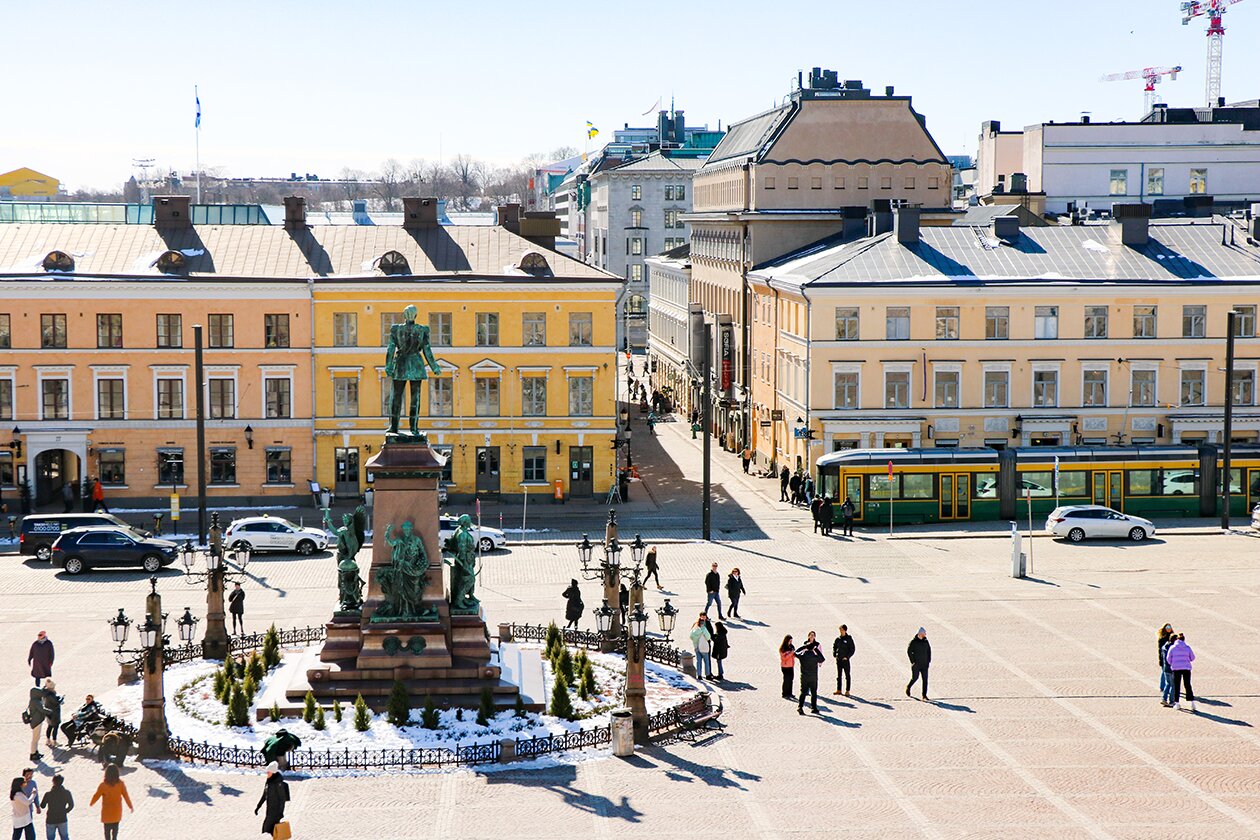
This week-long Study Tour to Tallinn and Helsinki introduces you to the nuances of medical practice in two distinct healthcare systems: one well-established and internationally regarded Nordic model, and one making great strides after the fall of communism with innovative e-health solutions. You will be able to observe the differences between the financing and provision of care in the Finnish municipal system and the Estonian solidarity-based social insurance system. In each destination, your diverse range of visits provide you with a well-rounded and comprehensive understanding of the healthcare system in the region, including the similarities and difference in state-funded and privately-funded care. In Tallinn, you visit one of the central hospitals of Estonia, as well as a family physician, to better understand the range of healthcare. This part of the Study Tour particularly highlights challenges faced by the Estonian healthcare system. In Helsinki, you visit a variety of medical centers and clinics and meet with medical professionals to gain first-hand insight into Finland’s medical landscape.

Through your visits and discussions with healthcare providers, you will gain an understanding of the current key issues involved in healthcare, such as demographics and economy; healthcare promotion; allocation of technology, money, and resources; the organization of, and entry into, the health system; and patient-doctor relationships.

Learning outcomes

  • Compare and contrast medical practice in Denmark, Finland, Estonia, and the U.S. to better understand the challenges facing healthcare providers in each country

  • Observe examples of clinical practice and research with clinical relevance

  • Describe and experience medical practice in a social, historical, and scientific context

Possible activities

  • Discuss the structure of the Finnish healthcare system with specialists at local Helsinki-area hospitals
  • Interview locals about their experiences with their health systems in their respective countries
  • Discuss with healthcare providers at specialist departments at one of Tallinn’s largest public hospital and also with an Estonian family physician

About this tour

This week-long Study Tour to Budapest and Vienna introduces you to the nuances of medical practice in two distinct healthcare systems. The two cities were once co-capitals of the strongest empire in Europe. Their shared cultural history coupled with their divergent paths following World War I offer a fascinating case study in how politics and culture affect the development of a healthcare system. Both cities will feature visits to university hospital centers where you will have the opportunity to meet with physicians and gain unique clinical exposure. You will be able to observe the differences between state-funded and privately-funded care by talking with relevant health professionals from hospitals, clinics, and medical centers. These visits will provide you with a well-rounded and comprehensive understanding of the healthcare systems in the region.

Through your visits and discussions with healthcare providers, you will gain an understanding of current key issues involved in healthcare, such as demographics and economy, healthcare promotion, allocation of technology, money & resources, organization of entry into the health system, and patient-doctor relationships. By the end of the study tour, you will have new perspectives on some of the strengths and challenges of the Austrian and Hungarian healthcare systems and how they compare to your experiences in Denmark and the U.S.

Learning outcomes

  • Compare and contrast medical practice in Denmark, Austria, Hungary, and the U.S.
  • Understand the challenges facing healthcare providers in each country
  • Observe examples of clinical practice and research with clinical relevance
  • Describe and experience medical practice in a social, historical, and scientific context

Possible activities

  • Visit a Semmelweis University specialized medical department in Budapest
  • Interview locals about their experiences with their health systems in their respective countries
  • Hear a lecture at the Medical University of Vienna

Budapest

About this tour

This Study Tour to Brussels and Cologne will introduce you to the differences in medical practice between a small western European country such as Belgium and the largest central European country, Germany. You will gain a comprehensive understanding of healthcare in Belgium and Germany, and the challenges faced by providers and patients in each context.

Throughout the tour, Brussels and Cologne will serve as immersive classrooms, highlighting contrasts in healthcare systems, cultural practices, and community dynamics. Engaging with the medical system and the professionals who run it will provide invaluable insights into the pros and cons of each, while interactions with locals will enhance your understanding of socio-cultural factors and their influences on health behaviors and outcomes.

you will observe differences in healthcare access and gain firsthand insight into the medical landscapes of Brussels and Cologne by meeting medical professionals and visiting hospitals and clinics. Along the way we will examine key healthcare issues such as population demographics, economic factors, health promotion, mental health, technology allocation, funding, resource management, health system organization, and patient-doctor relationships.

By the end of the tour, you will have a deeper understanding of the strengths and challenges of the Belgian and German healthcare systems, enabling you to make well-informed comparisons with healthcare systems in Denmark and the United States.

Learning outcomes

  • Compare and contrast healthcare systems in Belgium, Germany, Denmark and the U.S. to understand challenges faced by providers

  • Observe clinical practice and research with clinical relevance

  • Experience medical practice in social, historical, and scientific contexts

Possible activities

  • Discuss the structure of the Belgian and German healthcare systems with doctors and other providers

  • Interview locals about their healthcare experiences in different regions of Belgium and Germany

  • Visit local hospitals and clinics to speak with providers about their experiences

Brussels

About this tour

This week-long Study Tour to Berlin and Poznan introduces you to the nuances of medical practice in two distinct healthcare systems. Germany has a system that is well-established and internationally regarded as efficient and effective. Poland, having emerged from the fall of the Soviet Union, is still advancing its healthcare system, making it an interesting case study in innovation. While both countries offer basic health coverage to their citizens, both are also met with the challenges of financing and providing quality care. In Berlin, you have the opportunity to visit specialists at a leading hospital, providing you with unique insight into Germany’s healthcare system. In Poznan, you spend the mornings observing physicians at the university hospital where you will be able to see a variety of procedures first-hand. These experiences offer additional clinical experience and will also highlight the various challenges medical practitioners face.

Through your discussions and visits with healthcare providers, you will gain an understanding of current key issues involved in healthcare, such as demographics and economy; healthcare promotion; allocation of technology, money and resources; organization of and entry into the health system; and patient-doctor relationships.

Learning outcomes

  • Compare and contrast medical practice in Denmark, Germany, Poland, and the U.S. and better understand the challenges facing healthcare providers in each country
  • Observe examples of clinical practice and research with clinical relevance
  • Describe and experience medical practice in a social, historical, and scientific context

Possible activities

  • Hear a lecture at one of the Charité University Hospital Departments
  • Interview locals about their experiences with their health systems in their respective countries
  • Visit Poznan University Hospital of Medical Sciences (pediatrics, gynecology, and perinatology wards)

Poznan
gothenburg sweden

Short Study Tour

About this tour

Core Course Week, including short Study Tour, provides you with the opportunity to explore the clinical aspect of Sweden’s healthcare system. You will gain further insights into the role of a general practitioner, comparing to its gatekeeping Danish counterpart. You will also be able to investigate cutting-edge medical research by leaders in the field and gain first-hand experience with basic clinical skills. By meeting with general practitioners, visiting with various hospital departments, and discussing medical research projects with Swedish university researchers, you will see how theories presented in the classroom connect with practices in the field.

To supplement the academic visits, the Study Tour program includes cultural visits to relevant sites, where you will learn about Swedish history and culture, and experience life outside of the capital city.

Learning outcomes

  • Get to know some of the ‘hot issues’ regarding health care in Sweden
  • Broaden your view of the challenges that health care providers face
  • Examine the clinical role, function, and organization of the Swedish health care system through exposure to primary care, clinical settings, and research institutions

Possible activities

  • Listen to a presentation and take a tour of an office with a general practitioner
  • Visit a department within a Regional Hospital, such as the Telemedicine Department, Pediatric Department, Oncology Department, or the Emergency Department
  • Visit a medical research center at the local university hospital