DIS Stockholm
Three new Core Courses changing how you learn abroad
In fall 2026, we’re launching three exciting Core Courses at DIS Stockholm: Decoding the Brain, Holocaust and Genocide, and Resilient Food Systems.
When you enroll in these courses, you get to see what makes learning at DIS different. These courses prioritize hands-on experiences, bringing you outside the classroom to apply academic theory to the real world—because that’s where the learning happens.
Learn more about these innovative courses.
Decoding the Brain: An unrivaled sneak peek into the world’s most cutting-edge neuroscience research
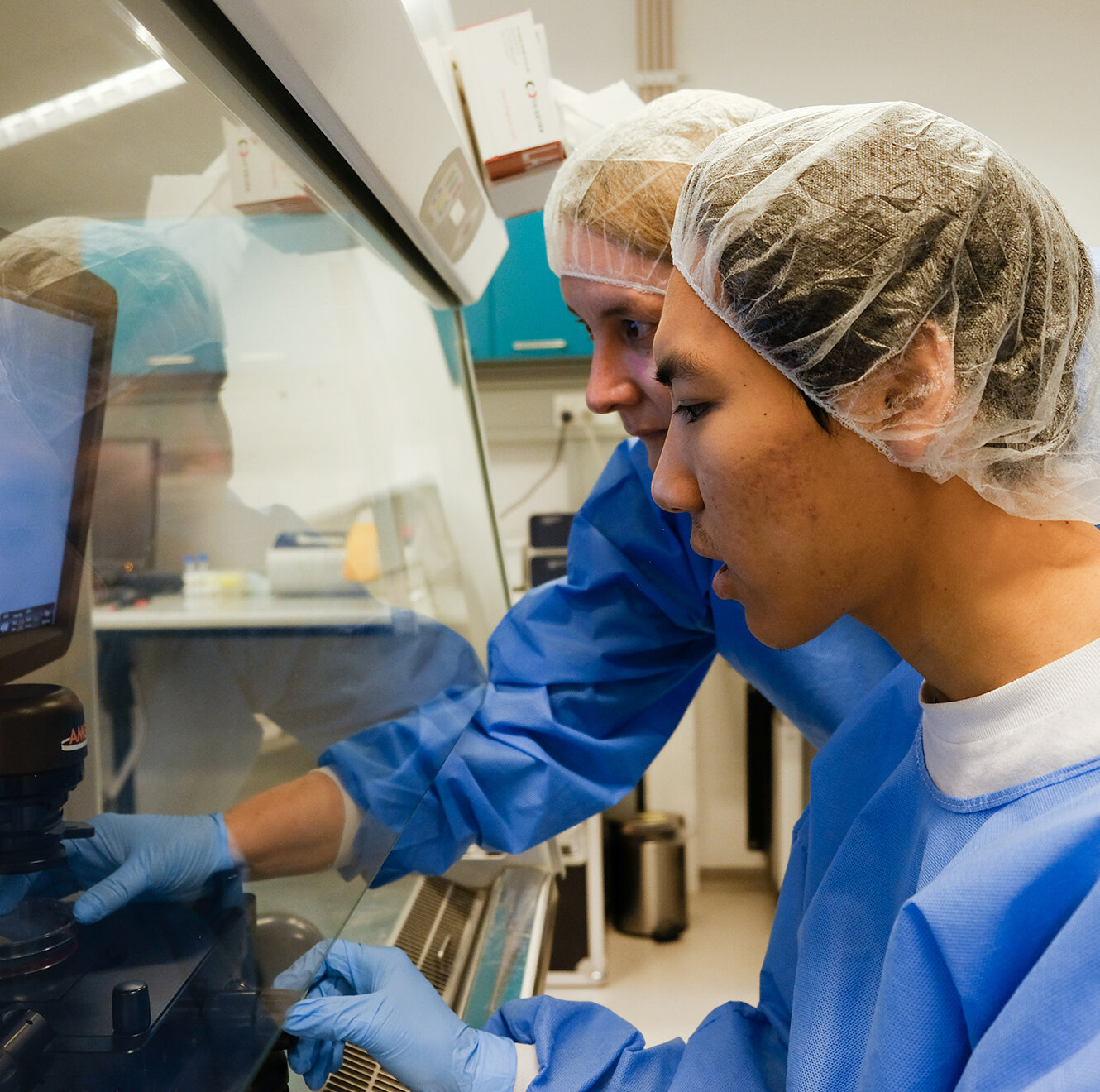
Uncover the molecular and cellular foundations of brain function with Decoding the Brain: The Molecular Basis of Neuroscience.
As DIS faculty and researchers at the Department of Neuroscience at Karolinska Institute, Jan Mulder and Nicholas Mitsios teach what they do. Both researchers contribute to the Human Protein Atlas—one of the world’s largest biological data resources—so when Mitsios and Mulder explain how proteins are distributed across regions of the brain, they’re pulling data they helped establish.
“We really try to pull this course into the work that we do, which is not yet in any textbook,” says Mulder. “And then really go into research, so even neuroscience majors will learn many new things.”
In Decoding the Brain, that research world becomes yours to explore.


Learning beyond the classroom
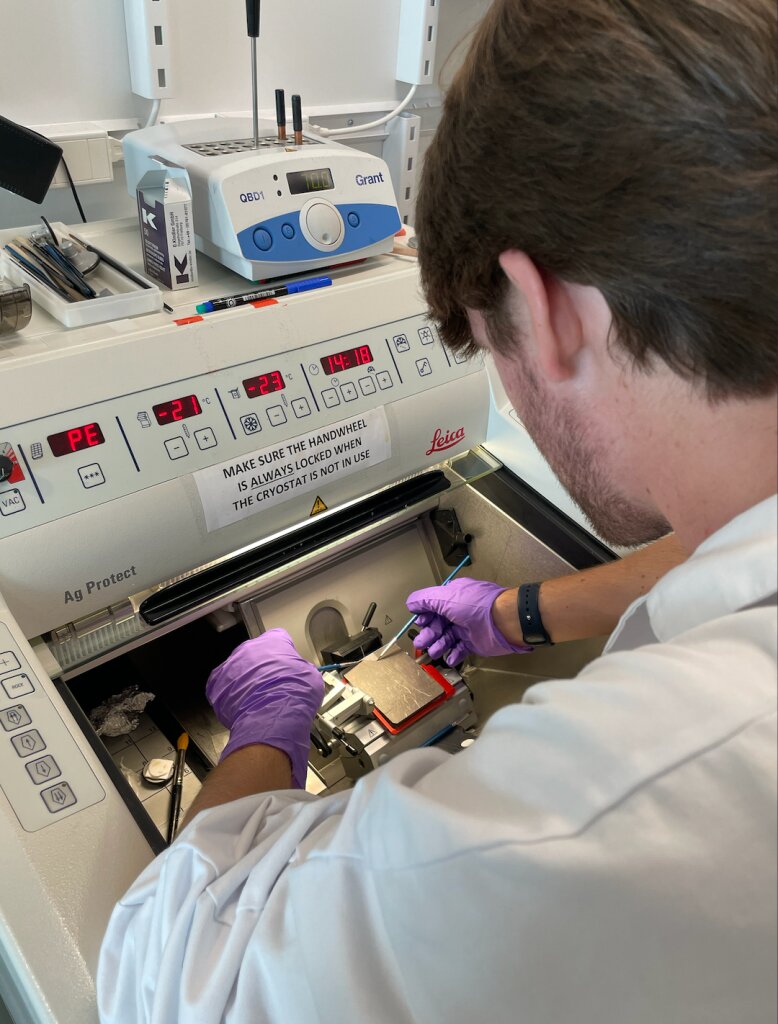
Decoding the Brain takes students into some of Europe’s most prestigious neuroscience institutions. In Stockholm, students will utilize state-of-the-art labs inside Karolinska Institute, a research university where Nobel prize winners have done key research—and where the Nobel Prize in Physiology or Medicine is awarded each fall.
On Study Tour, fall semester students travel to the Netherlands, where you’ll step inside the world’s leading neuroscience labs and watch everything you’ve studied about the molecular brain come alive in real research, clinical practice, and cutting-edge neuroimaging. Spring semester students travel to Budapest and Vienna, where you’ll meet and learn from leading researchers in the field of molecular and cellular neuroscience and gain insight into collaboration between academia, research, and clinical application.
Ready to learn what makes the human brain, human?
“We really try to pull it into the work that we are doing, which is not yet in any textbook,” says Jan Mulder.
Holocaust and Genocide: Changing the way you see the world
Offered for the first time in Stockholm this fall, Holocaust and Genocide examines the Holocaust within the context of World War II—a conflict marked by widespread violence and genocide perpetrated by a range of state and individual actors across Europe. In this course, you will investigate how the conditions of total war made the Holocaust possible, and how ordinary people became perpetrators, bystanders, rescuers, and victims.
Designed to immerse you in the past, this course uses survivor testimonies, discussions, investigations, and even interactive class activities like roleplaying to make the past feel present. “Students often complain that history classes are boring because they spend all their time learning the dates on a timeline,” says DIS faculty Christopher Sparshott, PhD. “In this course, I am not interested in what you remember. Instead, I am much more interested in what you can say about the past.”

Learning beyond the classroom
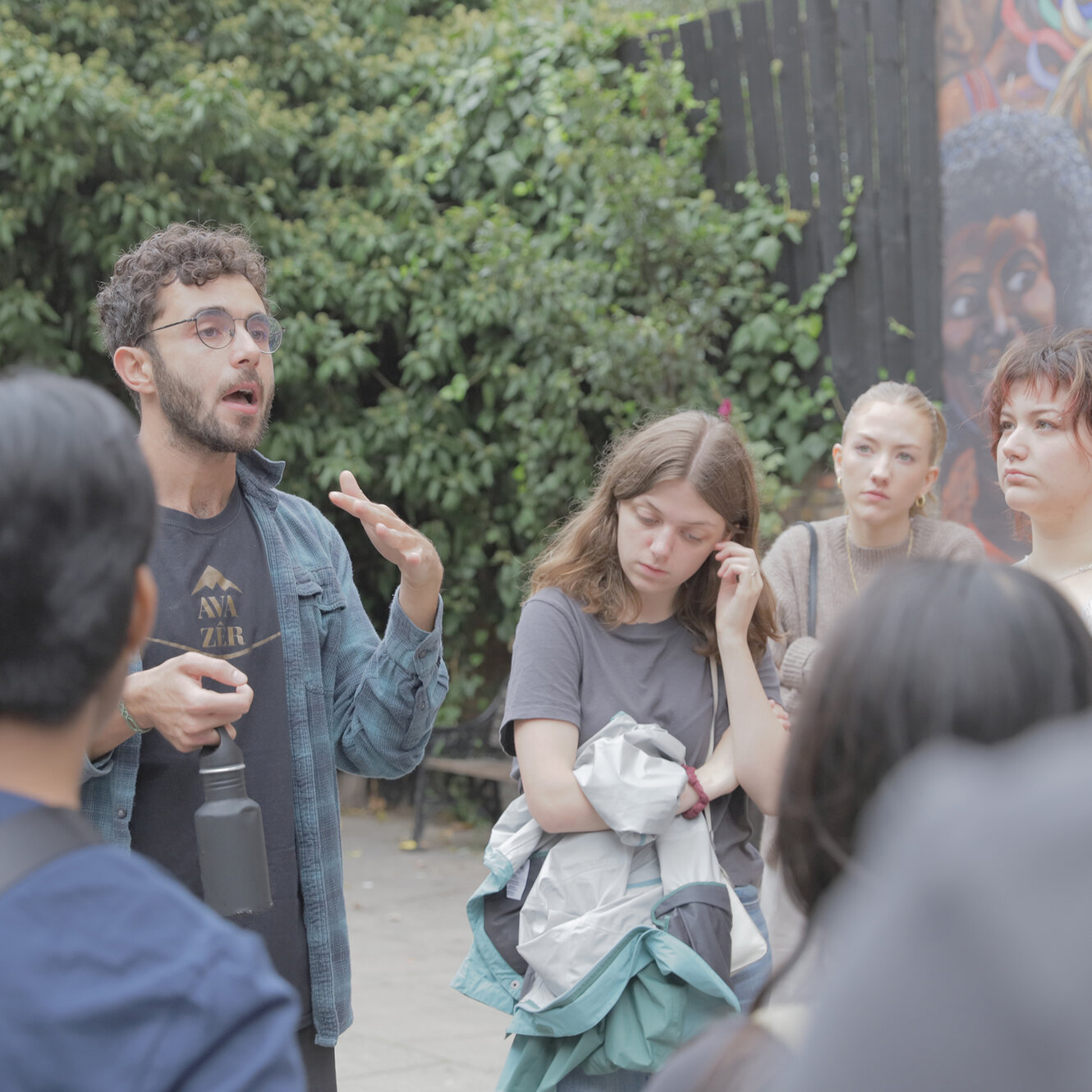
Every Core Course includes both a short Study Tour and a long Study Tour, and for Holocaust and Genocide students, those trips carry particular weight. The short Study Tour takes students to Copenhagen and Malmö, exploring how Scandinavian countries grappled with Nazi occupation and the stories of rescue, resistance, and collaboration that emerged. Later in the semester, students embark on a week-long Study Tour to Kraków, the course’s most anticipated—and most demanding—week. Students walk through former ghettos, concentration camp sites, and memorials, with an extended day at Auschwitz-Birkenau.
Gracie (she/her, George Washington University) described the impact of the Auschwitz visit: “I do not think I would have been able to fully understand this atrocity without seeing this place for myself…If you ever have the opportunity to go, take it.”

Holocaust and Genocide asks students to sit with material that is morally harrowing and think carefully about the human capacity for both atrocity and resistance. For students willing to do that work, it is among the most formative experiences a semester abroad can offer.
Resilient Food Systems: Uncovering a more resilient future
There’s a whole world of imperfect, interlocking systems that determine what we eat—and in Resilient Food Systems: Sustainability, Taste, and Tradition, students will seek to uncover and understand them. “When it comes to what you eat, you’re told that you have a choice,” says faculty member Rachel Mazac, PhD. “But I want you to understand the system that’s choosing for you.”
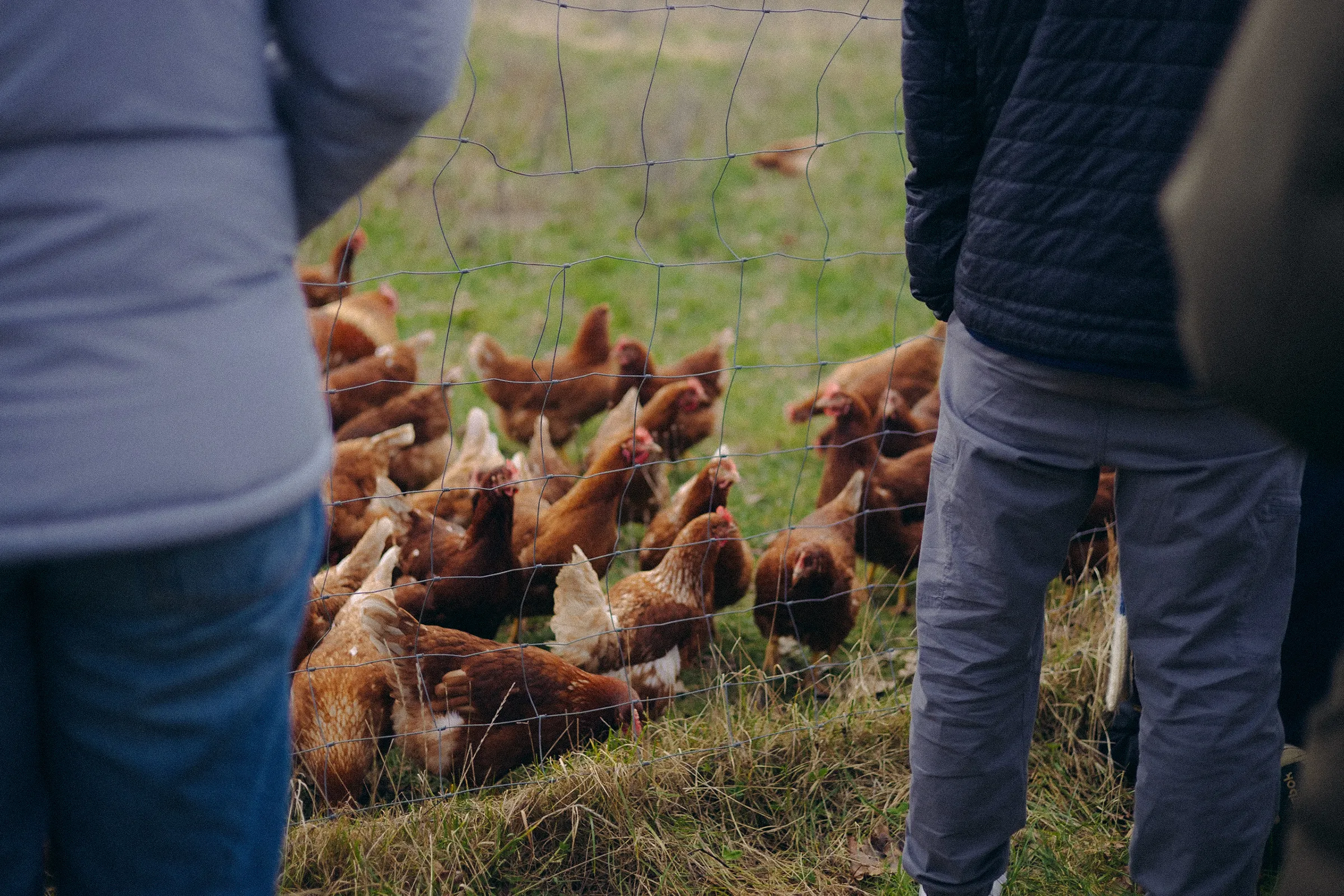
As a Researcher at the Stockholm Resilience Center, Mazac is deeply embedded into the city’s sustainability network, turning her connections into some of the course’s greatest assets. Mazac has lined up visits to local organizations that most students would never encounter, from factories and restaurants to businesses that repurpose food waste.


Learning beyond the classroom
For the short Study Tour, Resilient Food Systems will head to Umeå in Northern Sweden to visit reindeer herders, forage, and more. On the Long Study Tour, the course travels to Milan, visiting farms, a fermentation workshop, and iconic Italian food production locations. Students will draw contrasts across geographies, exploring what histories, landscapes, and cultures produced such different food systems.
Students from all academic disciplines are invited to join the course. Environmental studies and biology students, along with public health students, ecologists, anthropologists, physicists, mathematicians, and anyone who eats will all find something new to experience.
“My goal is to never solve problems with the same thinking we used when we created them,” she says. And applying interdisciplinary problem-solving to centuries-old systems might just be the way to a more resilient future.
Curious about similar courses at DIS?
Here are a few we recommend that explore topics concerning neuroscience, history, critical race and ethnic studies, sustainability, and more.