DIS Blog
Takeaways from a month spent learning in Greenland
Camille is in the inaugural Arctic Experiential Studies cohort this Summer 2026. Spending two weeks in Copenhagen and four weeks in Greenland, the group is studying Greenland from multiple perspectives — climate change, eco-psychology, and global security.
After six weeks abroad, Camille reflects on what she learned during the program, touching upon the different courses she took while being surrounded by Greenlandic nature.
Class without classrooms
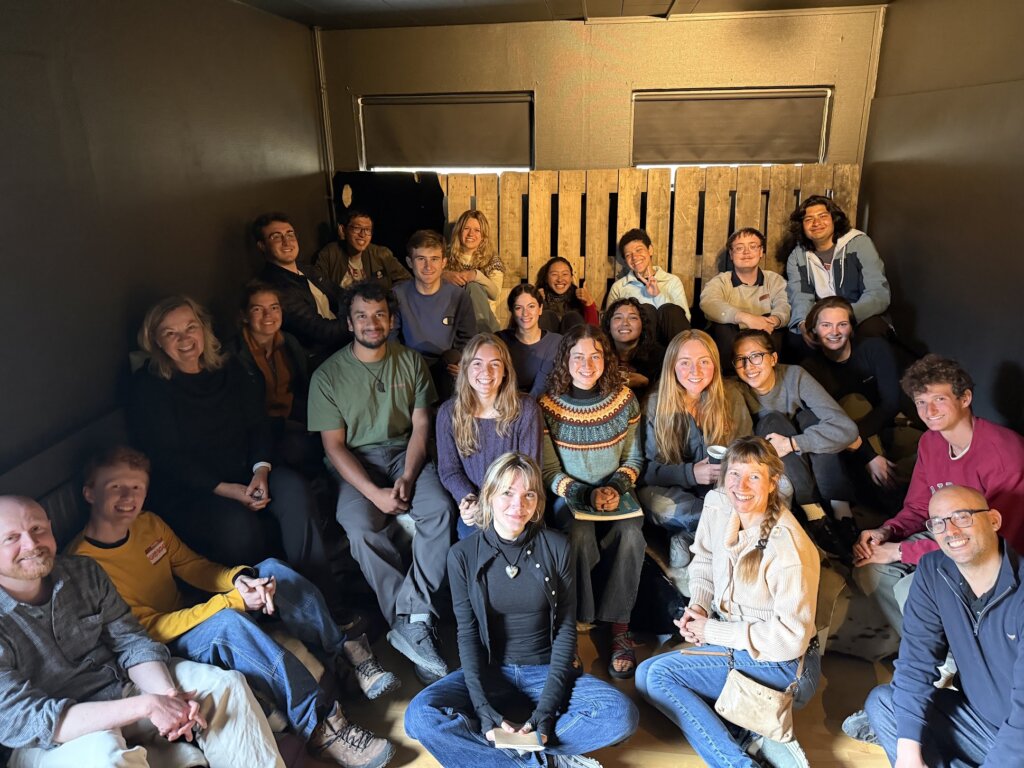
Just one day after landing in Copenhagen, we had our first class meeting for the Arctic Experiential Studies program. Jet-lagged and disoriented, the twenty of us were all immediately captivated with a guest speaker who taught us about the importance of drum dance in Greenlandic culture and values. Had we broken the ice with your typical university-style lecture, half of us would have probably been asleep. Instead, within an hour of knowing each other, we were singing together and feeling for each other with our palms while standing apart.
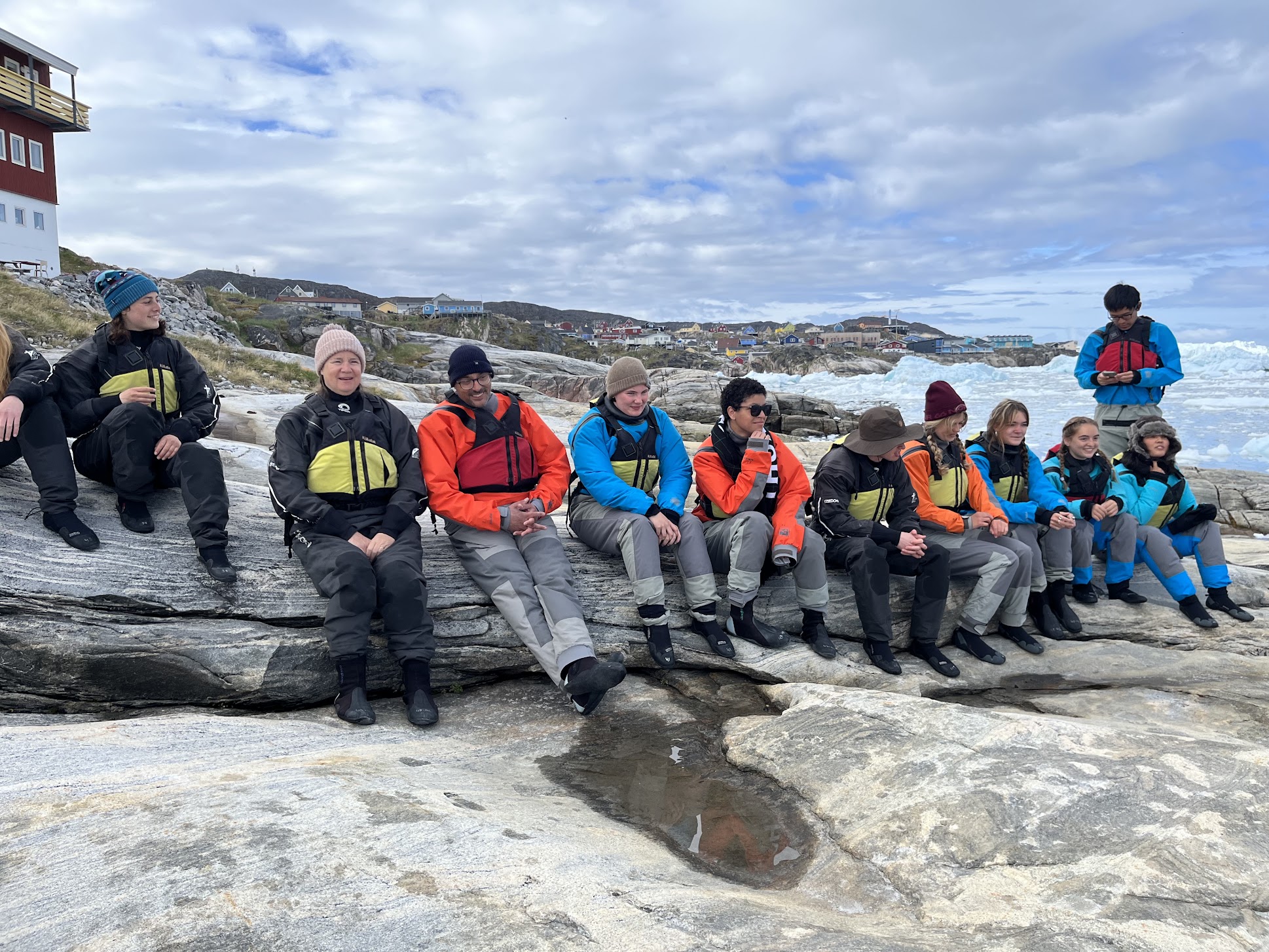
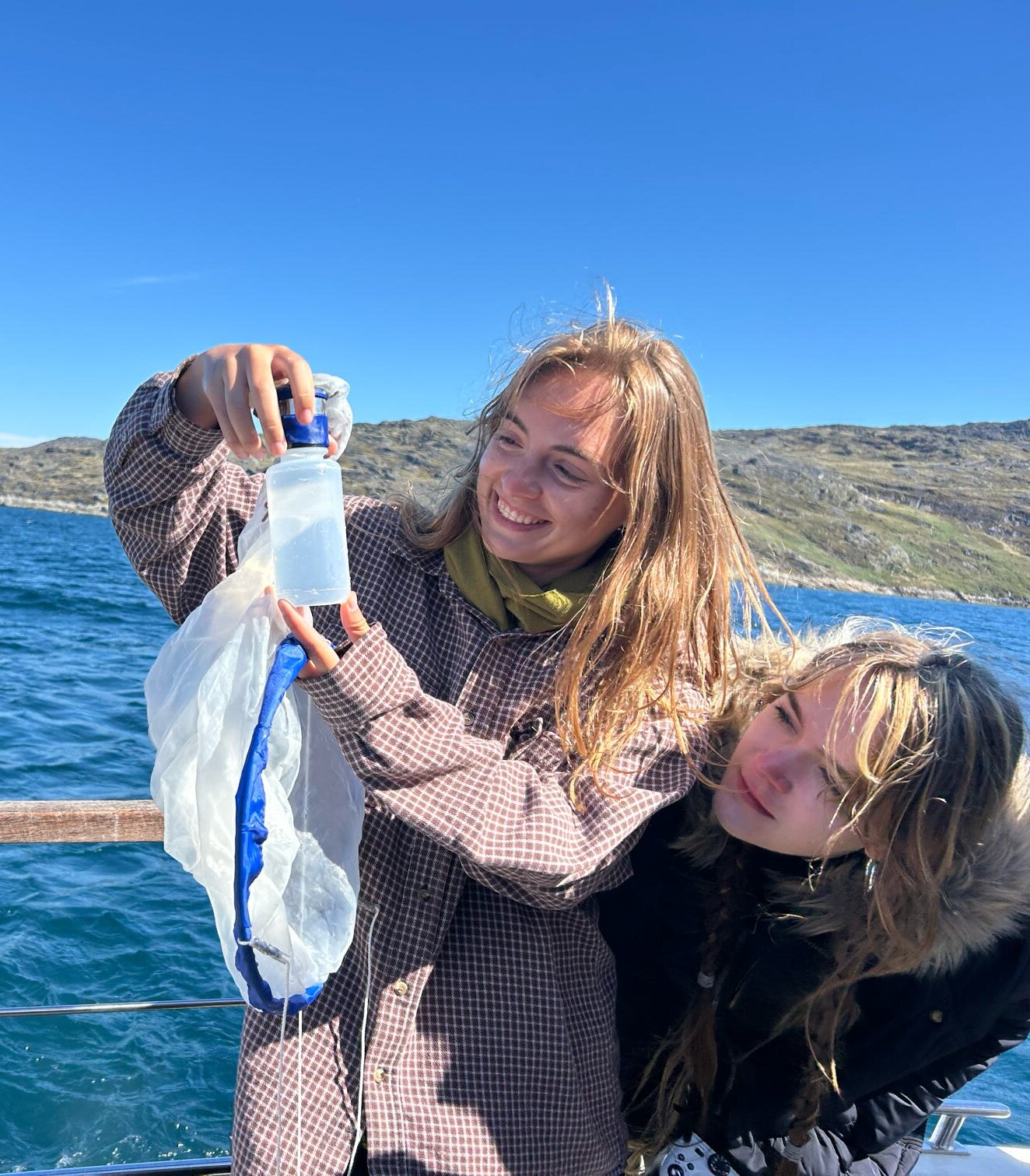
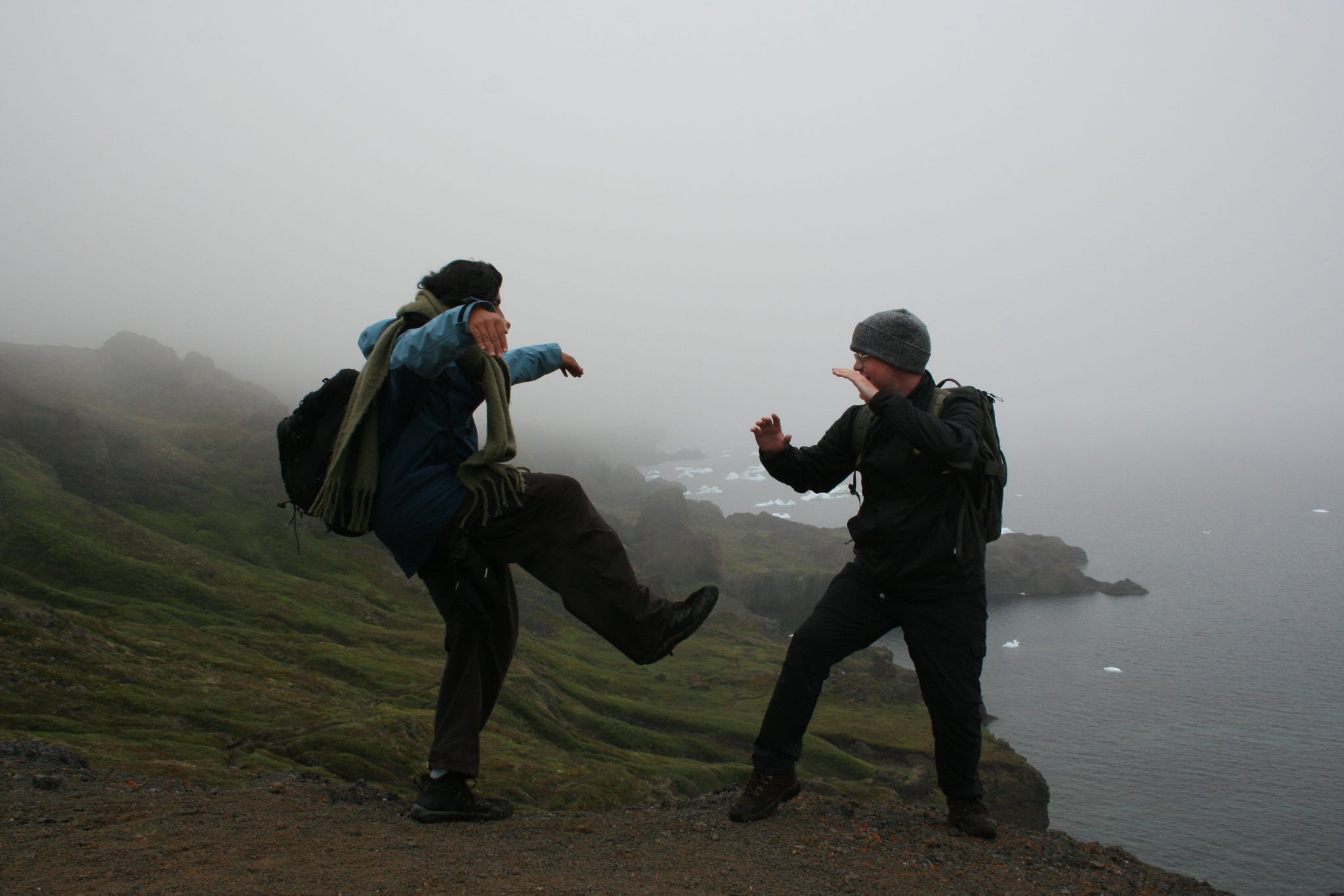
This first class became a crash course of what to expect during our month-long study tour. While in Greenland, our academics were largely based on guest speakers and visits to places such as museums, nonprofits, and schools. This meant that even your typical lecture could take an unexpected route. I’m sure there were times our professors didn’t even know what we would be walking into. We spent extensive time outside, including two overnight camping trips. During our first camping trip, we had several hours set aside for activities with our disciplinary classes. My Geopolitics professor handed out several readings and told us we could go off to look over them quietly. I looked over my shoulder at a boulder with the best view of the mountains, and he immediately clarified, “Somewhere you won’t get distracted.” Even in the moments that felt like regular college schoolwork again, the mountains and fjords around us were a reminder that the Arctic Experiential Studies program is not a typical class.
About the blogger
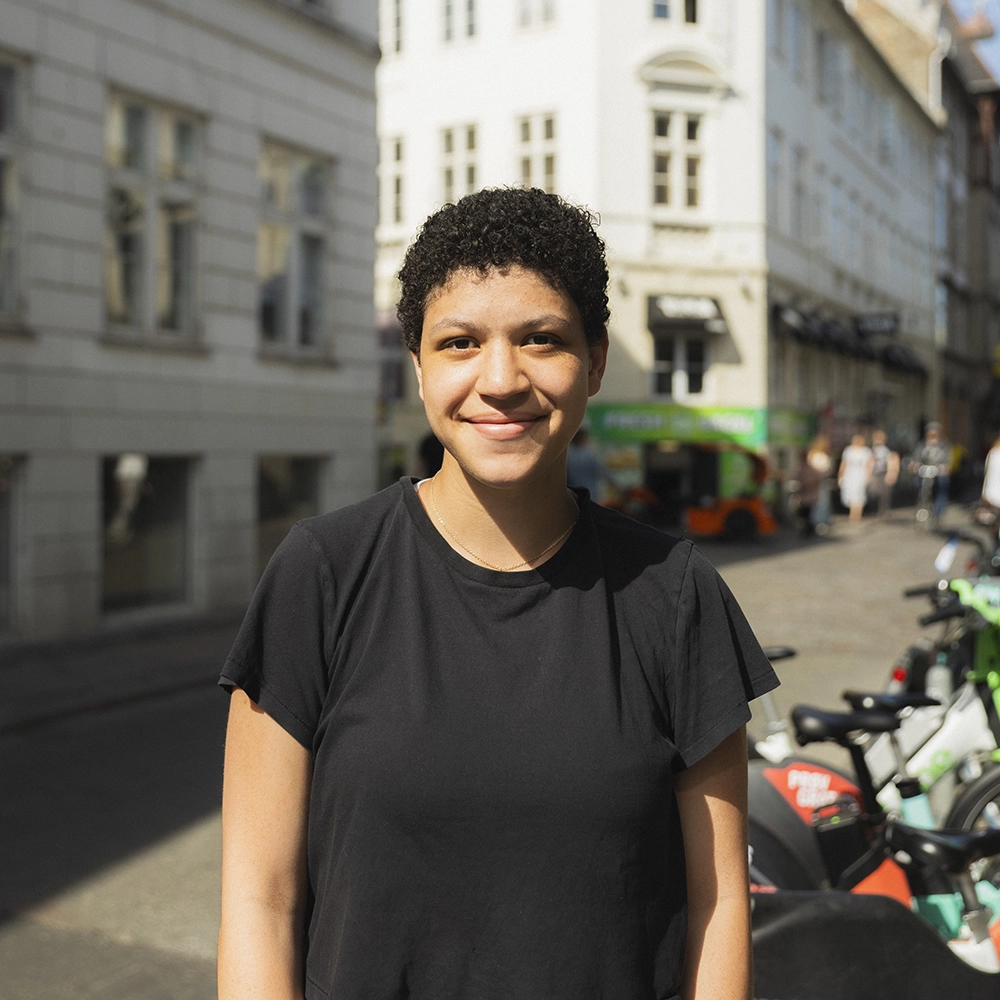
Hello, hej, aluu, I’m Camille! I’m taking the Geopolitical Rivalries and Global Security course as part of the Arctic Experiential Studies cohort. At my home school, Wheaton College (Massachusetts), I’m double majoring in International Relations and Creative Writing.
I write about how my perception of myself and my world changes during my time abroad. Keep reading for reflections on my time in Greenland.
Kalaallit Nunaat
The course all twenty of us shared was on the history and anthropology of Greenland, Kalaallit Nunaat, which is the name for Greenland in Greenlandic. Even in Copenhagen, our classes largely featured guest lectures. Our first week of activities included speaking with the Greenland Chief of Police, a colonial walking tour of the city, and even an Arctic first aid training. In Greenland, we met with community figures such as teachers, social workers, and even well-known artists, authors, and scientists. Meeting people whose work we’d seen online and in our assigned readings was a surreal feeling, and it was even cooler to meet someone and proceed to see their name everywhere afterward.
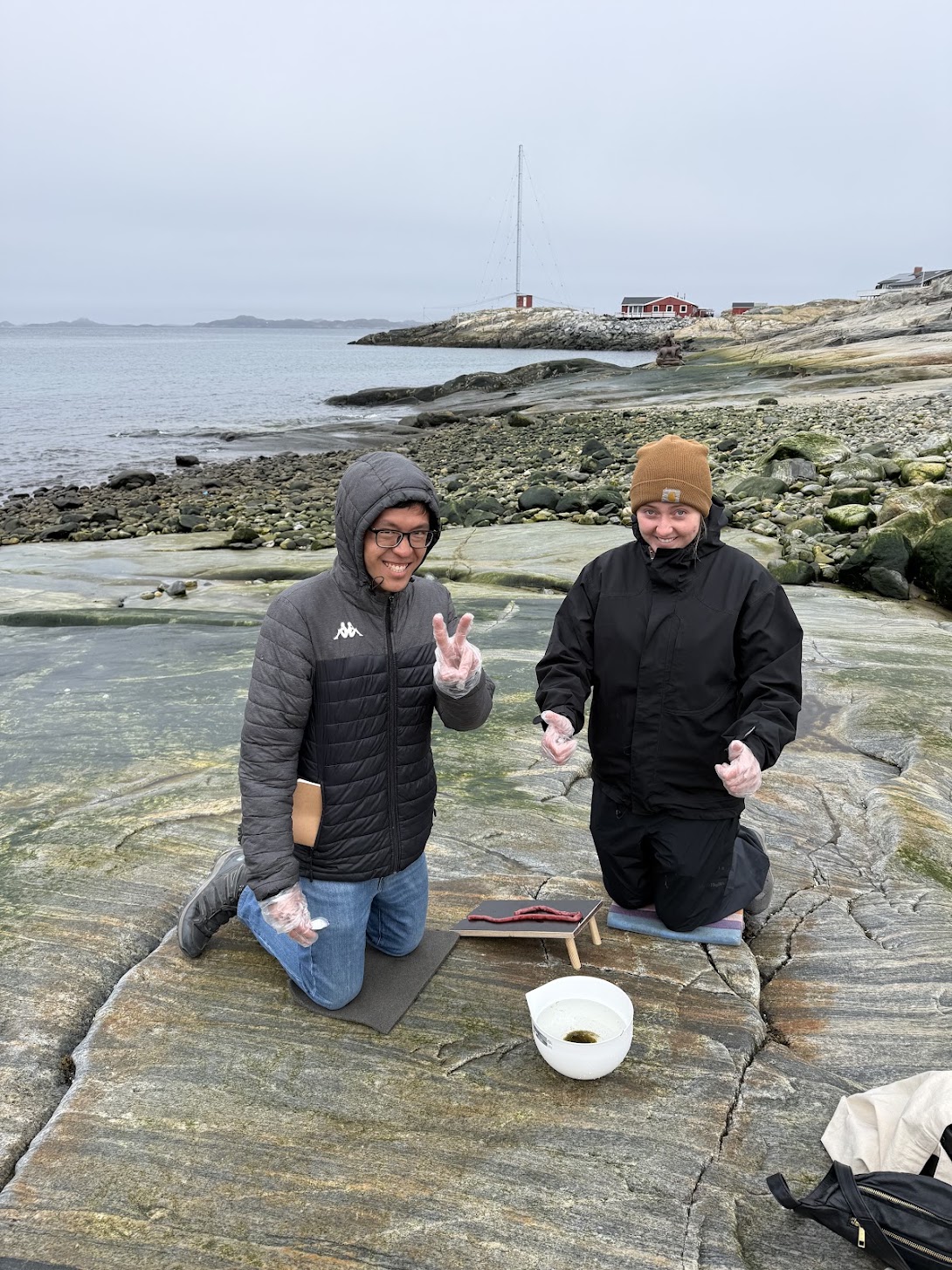
We also had the great opportunity of getting engaged with the community by attending a high school graduation celebration and the National Day activities. Our assignments weren’t what I was used to— instead of critical academic papers, we drew on our experiences with everyone we’d met in the form of simulated reconciliation between Denmark and Greenland, as well as an exhibit proposal. This uniqueness was necessary to make sure our trips were not a fun break from academics. They were academics. Even during the most fun activities, like browsing art galleries, kajaking, and creating gut skin textiles, we would have our pens out, taking notes to use in our assignments.


Throughout the summer, a phrase we heard over and over was “Nothing About Us, Without Us”.
This term has been a cornerstone for Greenlandic decision-making, calling attention to the importance of Inuit self-determination. We saw this principle when we learned about how Danish-based policies such as nutritional suggestions and protective services have not considered cultural differences. We also saw it in the resentment locals expressed towards colonial powers such as Denmark and the United States, and we saw it in the intentional prioritization of Greenlandic perspectives in art and culture over Danish ones. Hearing from Indigenous voices is the most important aspect of “Nothing About Us Without Us”; you cannot expect to have a full understanding of Greenlandic culture from non-Greenlanders. You really have to be there to truly get it, and that’s what makes the potential struggles of long field studies worth it.
Disciplinary courses
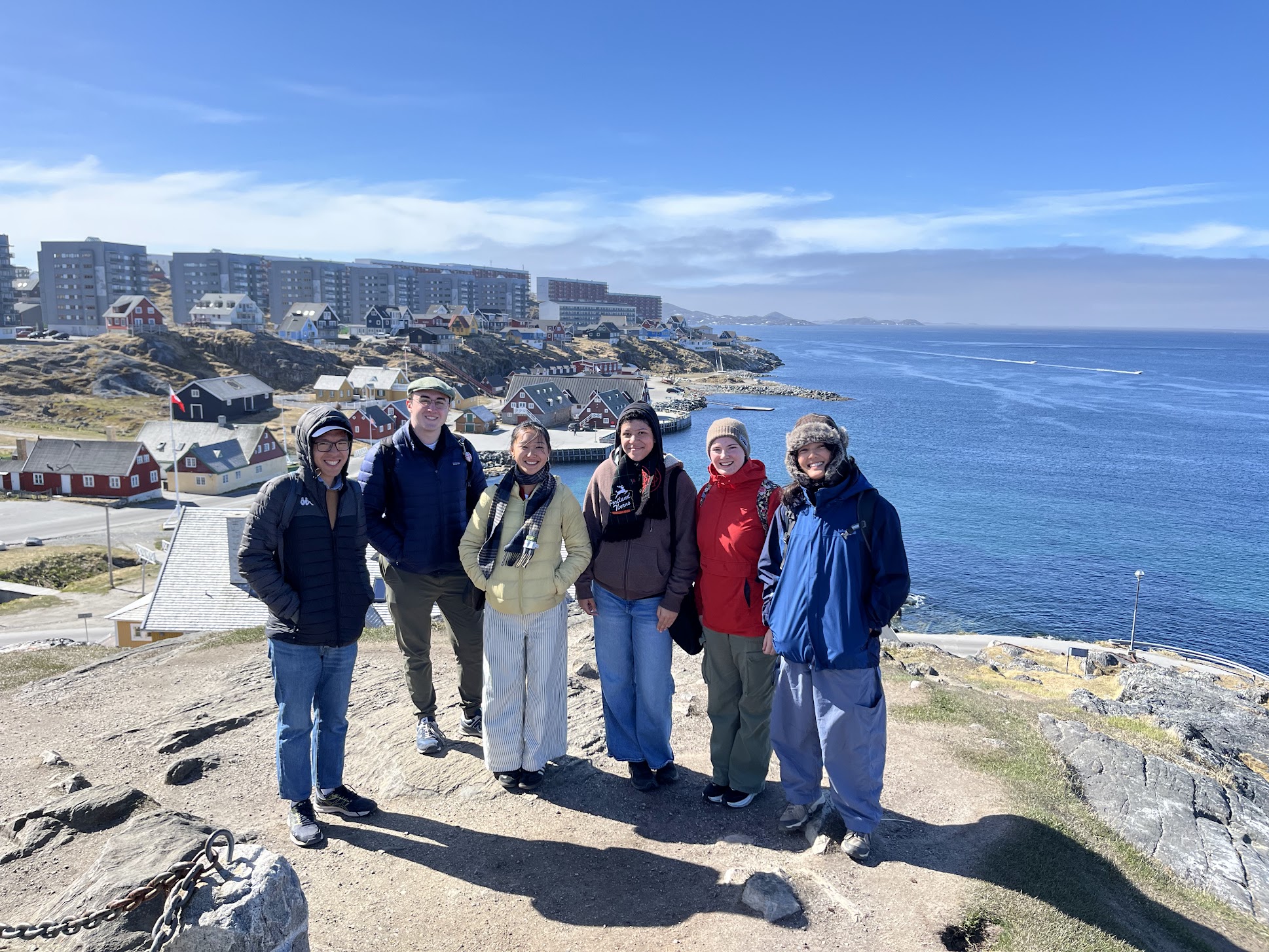
The twenty of us students were divided into three disciplinary courses focused on our respective majors: Ecopsychology, Climate Change in Action, and Geopolitical Rivalries and Global Security.
I was part of the Geopolitics class, and our daily activities largely consisted of visits to political and economic organizations, like UNICEF Greenland and Greenland Trade (KNI). We even got to sit in on a parliamentary meeting, during which we got to see a protest taking place outside demanding better wages for teachers. Our graded assignments took different forms, ranging from essays to simulation games to podcasts, all of which gave us the opportunity to reflect on our field visits. In my experience, there was a lot of overlap between our Kalaallit Nunaat course and my disciplinary course. Since our papers for both classes required drawing on our field experiences, we had the opportunity to apply experiences from the other class into our analyses. While the academic materials and theories for the two classes differed greatly, the shared overarching themes of indigenous sovereignty, cultural resilience, and colonial rejection created a lot of overlap in conclusions. This was especially true for Geopolitics, since reservation of identity and Inuit independence were topics we explored in numerous assignments for both classes.


Since we were constantly together, I had an understanding of the Ecopsychology and Climate Change class structures as well. I spent many late nights chatting with Ecopsychology friends as they finished field notes, their regular assignments reflecting on daily activities. Before activities with the entire group, Ecopsychology students would often introduce what we would be doing, where we were going, and the tie to psychological implications. Climate Change was always off on trips to take censuses of flora and fauna, and they separated from the rest of us for five days to do field research on Disko Island. Their stay on a research station ended up being a highlight of the trip for many of them, even though we missed them dearly.
All of us also got to know the teachers of the other disciplines quite well, spending time together over shared meals and outdoor trips. There was something sentimental about knowing how much work all of our teachers had put in to get this program off the ground that made me want to get to know all of them well, and as the ones putting in years of effort to get the twenty of us to Greenland, I’m sure they felt the same way. The more I heard about the other teacher’s perspectives and lessons, the more I wished I could sit in on the other classes. At the end of the program, we were asked for recommendations on improvements for next year, and all of us agreed that a day of learning what the other disciplines would be doing throughout the course of the program would be a great idea.


Returning home
The Arctic Experiential Studies program was founded on the ideal of ambassadorship. Aside from promoting intercultural understanding, we were told that DIS funded the program with the hope that students would spread knowledge of environmental issues damaging the Arctic back in the United States. I expected to come back with many stories of the impact of climate change, and I have. I’ve spoken with those who’ve grown up in the Ilulissat Icefjord about how much the icebergs flowing through have shrunken of late. I’ve heard from the Climate Change students about all the research they’ve done and the depressing conclusions, even if I couldn’t understand half of the scientific terms they’ve used. But I’ve come back with much more knowledge to spread. Everything I learned in Greenland seems to keep coming up in conversations, whether they be about politics, the outdoors, or pop culture.
Greenland is an incredible place, but since many people unfortunately do not get to experience it firsthand, I feel a sense of responsibility to advocate for its environmental protection and political self-determination. You can’t go to the Arctic without it carving its way into your heart.
People tend to be very surprised that, as an American, I did not have any negative social interactions with Greenlanders, and I explain the importance of forgiveness in Greenlandic culture. My interest in going into the human rights field has only intensified after learning about the mass trauma that high rates of suicide and abuse have left Greenlandic youth. What I learned about the Greenlandic diet comes up every time I go to the grocery store. I miss the reindeer and muskox we used to have with our meals. Some of my very talented classmates made a delicious angelica jam that I sometimes still daydream about. I never expected to learn so much about the intersections between resource availability, microbiology, and culture, but my perspectives on hunting, agriculture, and diet have all changed.
Greenland surprised me in inumerable ways. Not even one week after returning home, I met up with a friend who had visited Greenland for six days with a different DIS program. We compared pictures and experiences from our time there, and we both got to see whole other sides of Greenland. Both of us felt like our career trajectories have changed after visiting the Arctic. Greenland is an incredible place, but since many people unfortunately do not get to experience it firsthand, I feel a sense of responsibility to advocate for its environmental protection and political self-determination. You can’t go to the Arctic without it carving its way into your heart.
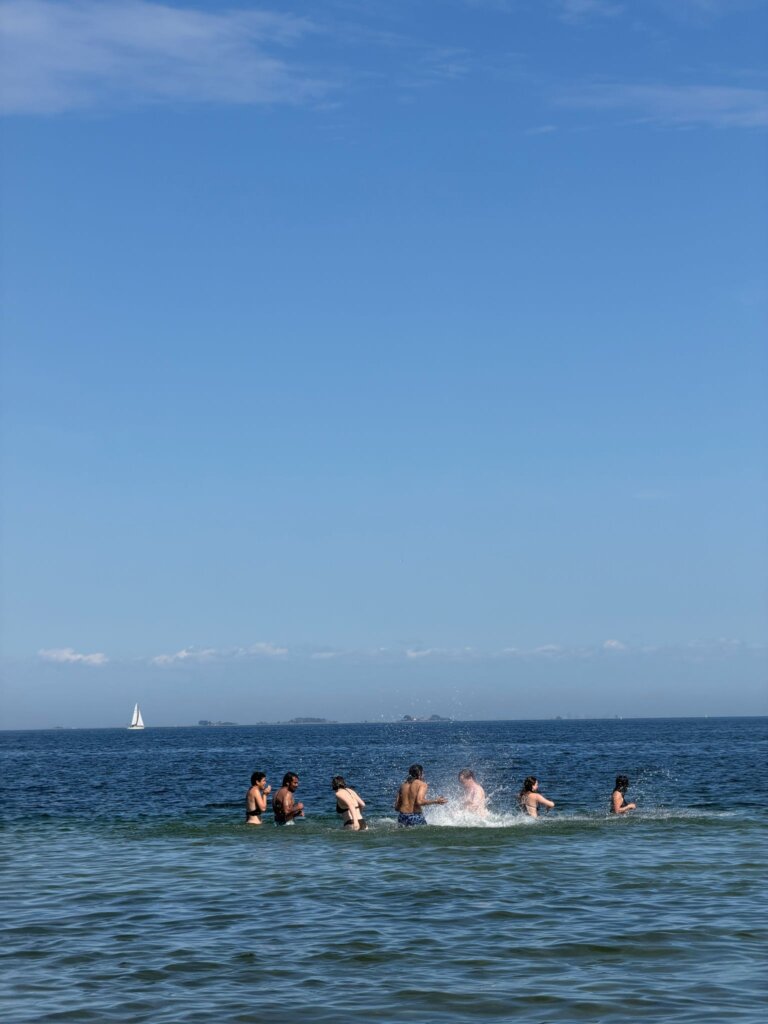
The most important lesson from a month of field studies was that it follows you home. Since I will not ever forget how it felt to sit on a porch under the midnight sun looking over an icefjord, I will not ever stop needing to advocate for Greenlandic interests in every way I can.