Do we face an environmental crisis, or a crisis of humanity’s relationship with the natural environment? Ecopsychology seeks to explore how modern psychological and capitalistic discourses have fragmented individual and social connections from the natural environment. This course will introduce you to the main theories and applications of ecopsychology. We will use experiential and multidisciplinary academic approaches to understand how human beings (dis)connect from our natural environments and identify opportunities for individual and community change.
Syllabus
Fall 2027
This is a primary syllabus. The final syllabus will be available here a few days prior to the new course’s first start date.
You only take one Core Course per semester, and each Core Course includes two Study Tours: one Short Study Tour to a nearby destination for three days, and one Long Study Tour to another European country for six days.
Led by your faculty, Study Tours take you into real-world settings where you will apply what you’ve learned outside the classroom.
M.Sc. (Health Psychology, City, University of London, U.K., 2000). BSc. Hons. (Psychology, City, University of London, U.K., 1997). Certified in psychotherapy and counseling and in the process of qualifying as a psychoanalyst from the Centre for Freudian Analysis and Research. Co-authored a number of journal articles on post-traumatic stress disorder. Previously, was the Clinical Director of Community Housing and Therapy, a leading UK charity running therapeutic community households for adults with mental health diagnoses. Managed two therapeutic community projects – a project working with homeless veterans suffering from mental health difficulties and a project for individuals with a diagnosis of psychosis and personality disorder. Worked as a psychologist in the Greek Army. With DIS since 2015.
Long Study Tour
About this tour
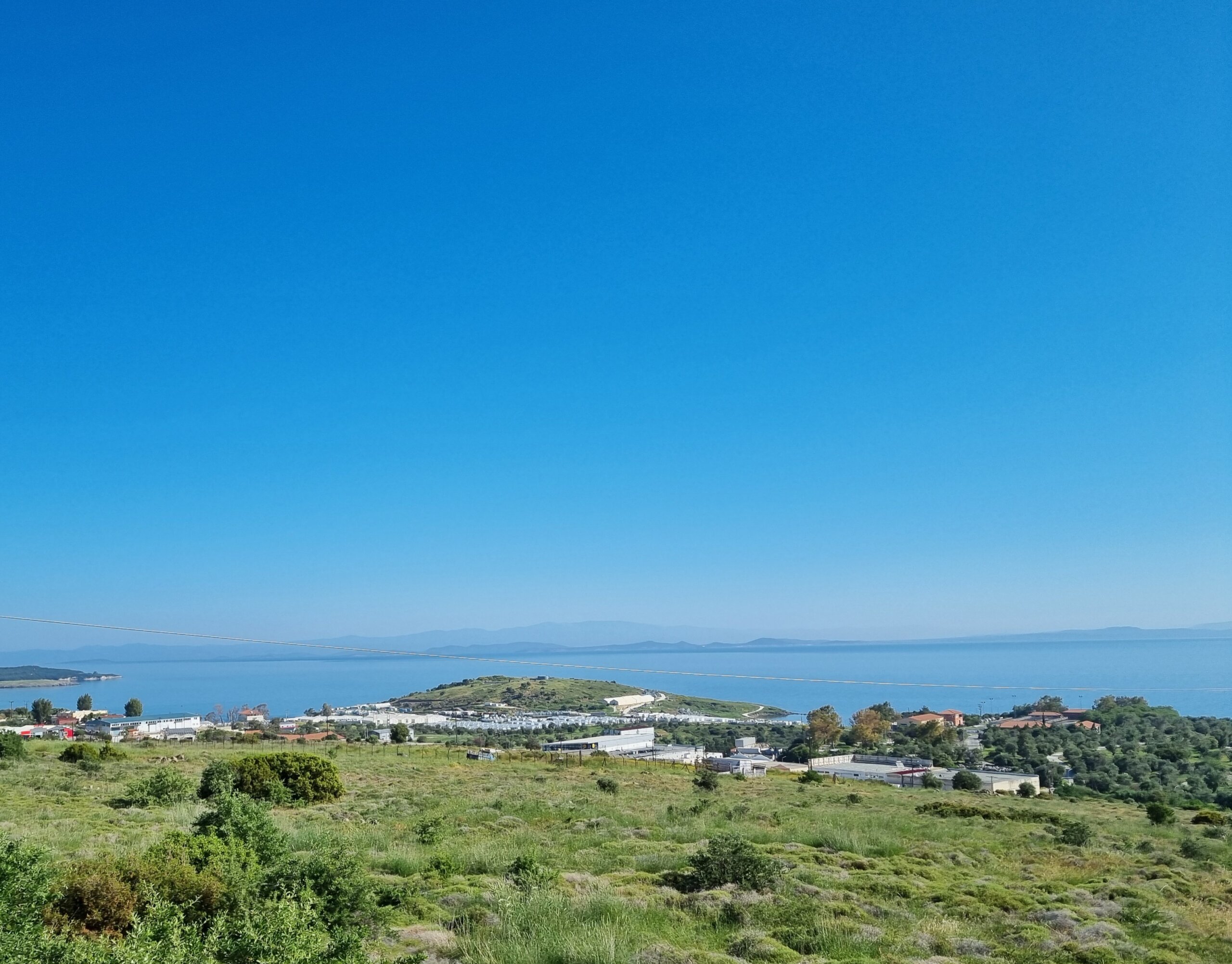
Crete provides a contrasting context in relation to Western Denmark, in which students will explore how history, landscape, culture, and belief have shaped relationships with land and community from the Minoan world to contemporary Crete. You will consider how successive cultural, religious, political, and economic influences have contributed to ways of inhabiting the island and how these histories remain present in contemporary life. You will hear about contemporary island life and how current economic and social changes are influencing lifestyle and wellbeing.
You will have the opportunity to participate in the local nature, learn about traditional farming practices, and participate in working seminars with local psychologists and ecologists.
Learning outcomes
Engage with local landscapes, traditional farming practices, psychologists, and ecologists to explore the interconnectedness of human, community, and ecological well-being through an ecopsychological perspective
Examine how contemporary social and economic changes are influencing ways of life, relationships with the environment, community, and wellbeing in Crete
Explore how Crete’s history, landscape, cultural traditions, and belief systems, from the Minoan world to the present have shaped relationships with land, place, and community
Possible activities
Visit local farmers and agricultural communities to learn about traditional farming practices, relationships with the land, and how ecological, cultural, and economic changes are affecting contemporary rural life
Visit small villages and engage with local families and community members to explore everyday life, intergenerational relationships, cultural traditions, community, and connections to place
Engage with the Greek ecopsychology community and local psychologists and ecologists through seminars and nature-based experiences, including spending time living and learning in natural settings, to explore relationships between psychological, community, and ecological wellbeing
Short Study Tour
About this tour
While in Denmark, you will explore how nature participation is integrated into everyday life, including approaches to sustainability, access to outdoor spaces, urban design, movement, and the role of outdoor life in childhood and development. You will consider how Denmark’s relationship with nature and its position as a leader in climate action are reflected in everyday practices, communities, and relationships with place.
Learning outcomes
Explore different ways of inhabiting and relating to place by examining how Danish cultural, social, and ecological practices shape relationships among people, communities, and the more-than-human world
Apply ecopsychological perspectives through direct experience, connecting course concepts to encounters with landscapes, communities, practitioners, and everyday practices outside the traditional classroom
Reflect on our experiences during the Study Tour as a starting point for creating our own ecological community, considering how relationships, shared responsibility, participation, and connection to place can shape the way we learn and live together
Possible activities
Visit an outdoor or nature-based educational setting to examine the role of nature, play, movement, and outdoor life in childhood development and wellbeing
Visit an organization or community working with sustainability and ecological living to explore how environmental values are translated into everyday practices, shared spaces, and community life
Create living learning practices in the group and organize communal activities student led for the group