DIS Blog
What Copenhagen and Berlin taught me about gender, equality and activism
Tina discusses her Study Tours to Copenhagen and Berlin during her summer session in Stockholm. She shares what she learned about the two cities through the lens of her course, Gender, Equality, Race, and Sexuality in Scandinavia, focusing on gender, equality and activism.
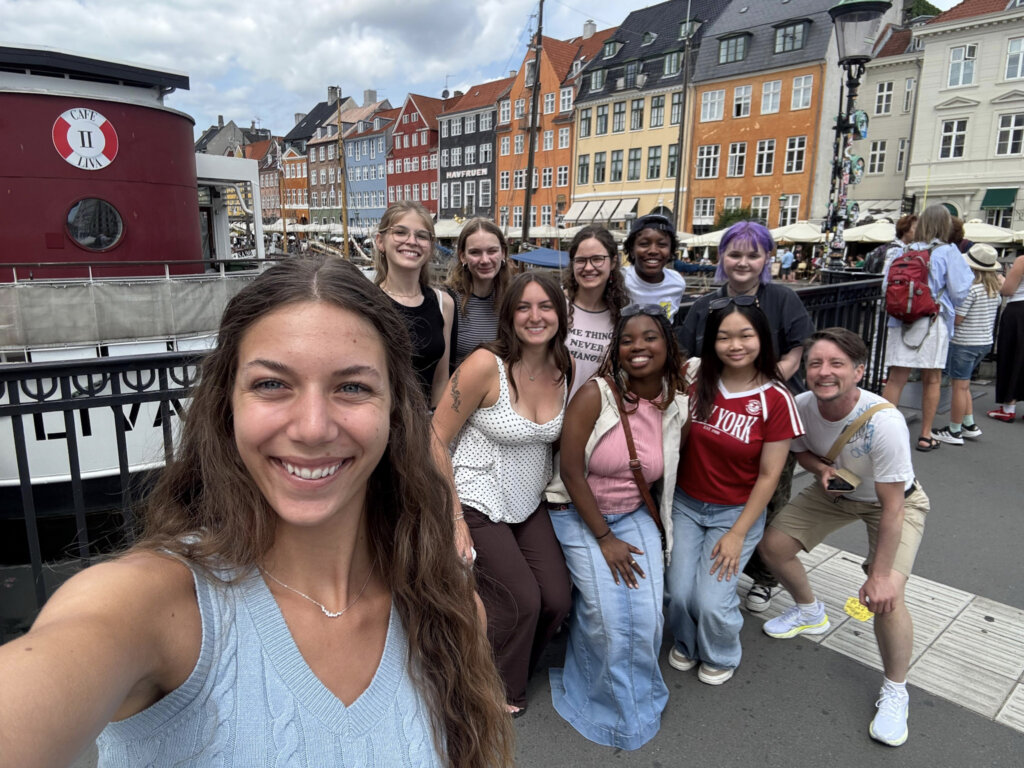
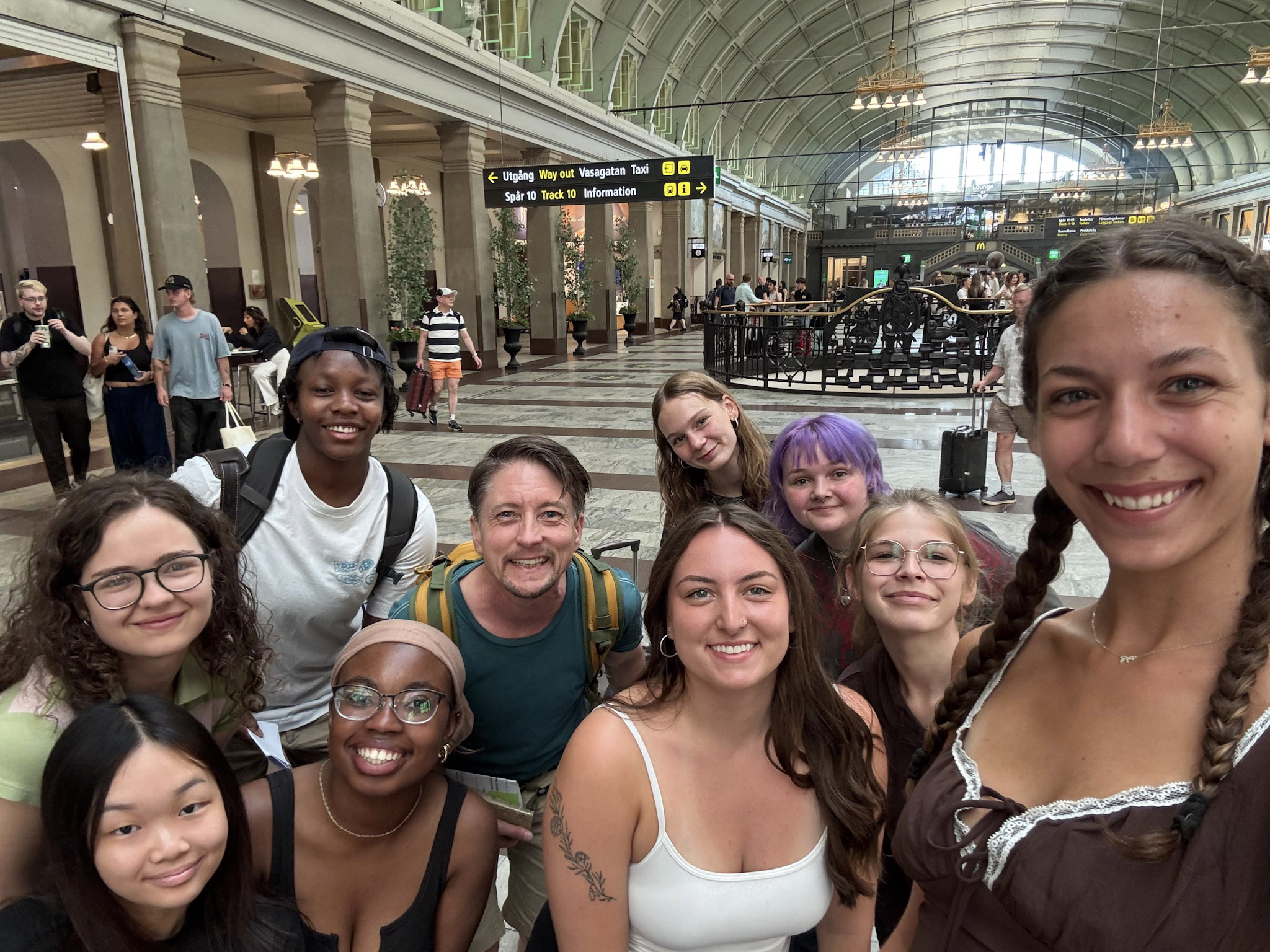
From one incredible week, I got the opportunity to travel to not one, but two countries
Denmark and Germany, with my class based in Stockholm, Sweden. And no, this wasn’t just a vacation (although it definitely had some pretty views). The whole point was to make cities Copenhagen and Berlin our classrooms, where we could see how topics like gender, race, and activism (social justice) come to life beyond the pages of a textbook. Instead of just reading about these issues in articles or textbooks, we got to experience them first hand through museums, organizations, walking tours, and conversations with people who live and work there.

About the blogger
Hello! My name is Tina Lee, and I am a rising junior at UW-Madison majoring in Health Promotion and Health Equity, with one of my minors in Gender and Women’s Studies. This summer, I am taking a course called Gender, Equality, Race, and Sexuality in Scandinavia. My blog will follow my course’s long study tour from Copenhagen to Berlin. I’ll be sharing what I learn along the way, exploring topics like gender equality, sexuality, culture and history!

Copenhagen: Zines, Roma history and Freetown resistance
Our time in Copenhagen focused on how marginalized groups use DIY culture and community space to document their own histories.
DIY resistance
At the DIS Student Hub in Copenhagen, we explored how zines serve as archives for BIPOC and queer communities. Learning from Maya Acharya, I realized that publishing is a political act aka a way to challenge colonial modes of knowledge production. Additionally, I made one about abortion rights, and it felt really powerful to physically create something that felt like an act of resistance.
Visualizing heritage
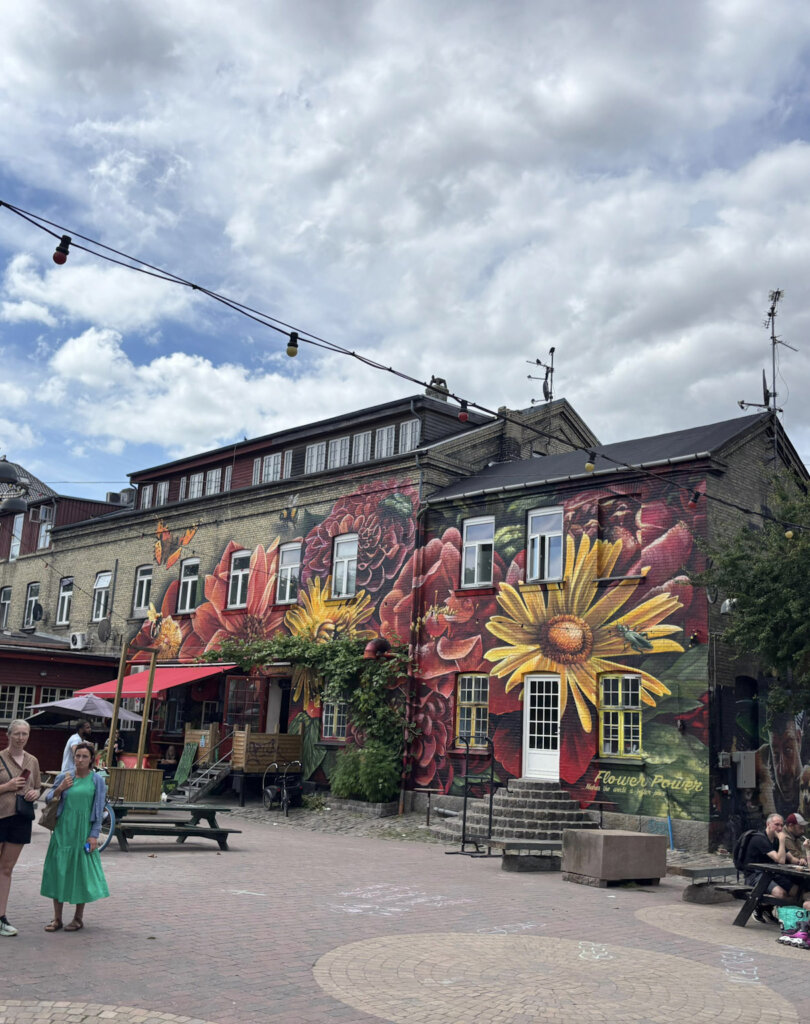
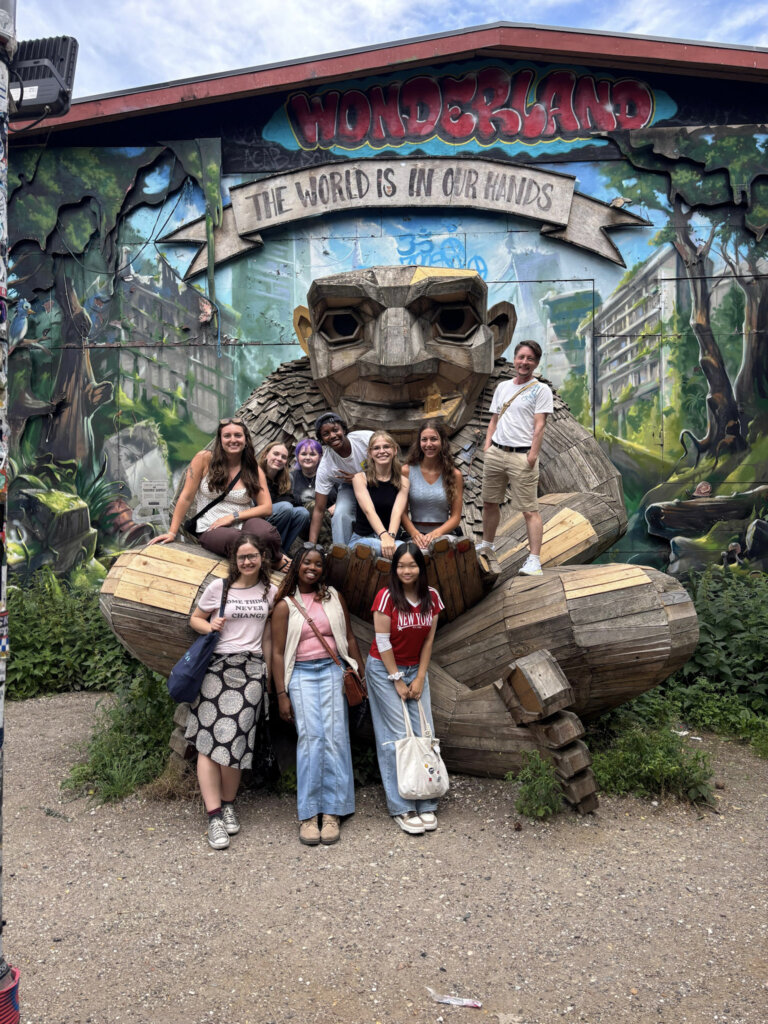
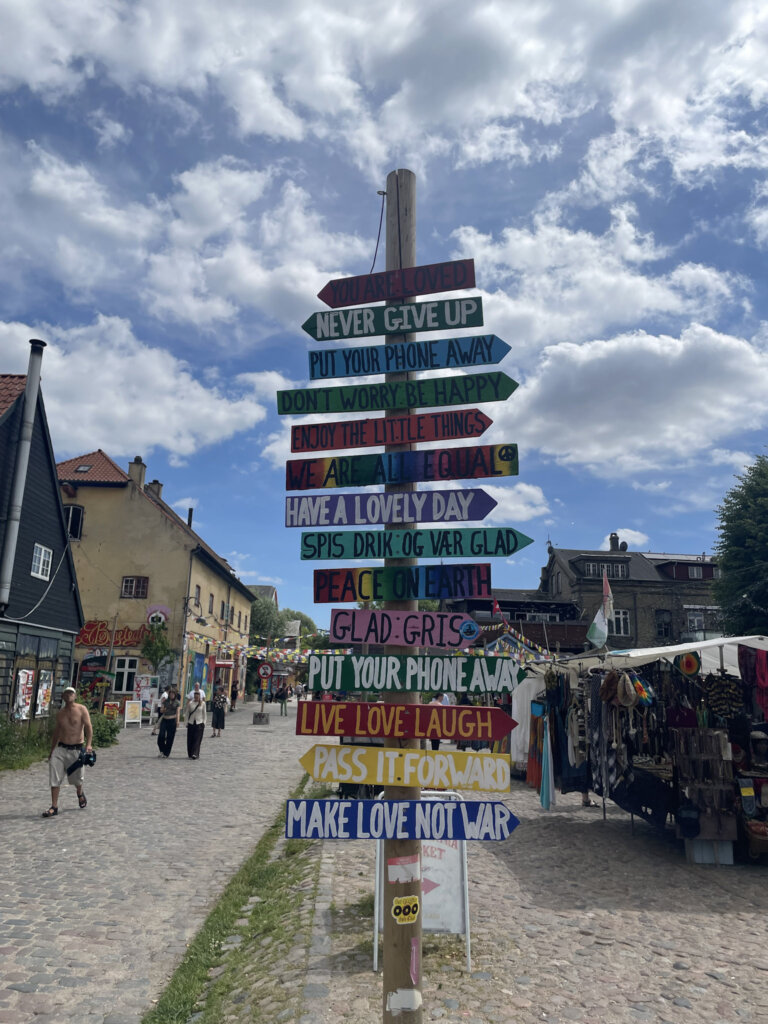
At Kunsthal Charlottenborg, I encountered the work of Małgorzata Mirga-Tas, whose textile collages forced me to confront the erasure of Roma women’s stories in mainstream European art. We then visited Freetown Christiania. It’s an interesting spot because it’s a semi-autonomous area that’s been operating independently since the 70s. We got a breakdown of how they manage their own social and economic organization. The amount of street art and signs about community values made it clear how much work goes into maintaining that kind of alternative lifestyle.

Berlin: Uncovering queer histories and identities
Transitioning to Berlin, our academic focus shifted toward historical preservation and queer liberation.
Walking through history
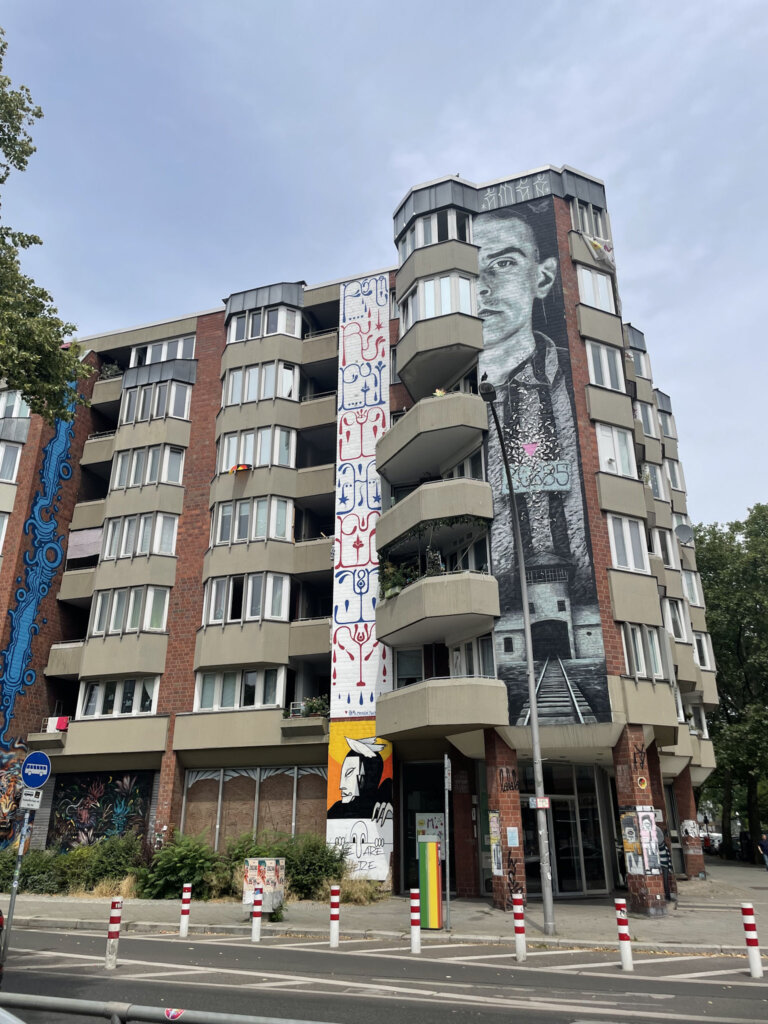
We did a three-hour walking tour of Schöneberg with Finn Ballard, who is an incredible historian. Walking through the neighborhood where the world’s first gay bars were, and then hearing about what happened to those same people during the Nazi regime, was extremely heavy. It’s one thing to read about history, but it’s definitely another thing to stand right where it happened.
Archiving resistance
The visit to the Schwules Museum was a reminder that history is usually what we choose to preserve. The museum’s mission to archive narratives historically excluded by mainstream institutions is essential to queer survival in Europe.


Creative Expression: Drag, Ceramics, and Queer Sex Ed
The best part of the DIS model is that it forces you to be hands-on. We spent some time at a ceramics shop, which was a nice break to just create something. I made a basketball bowl for my partner back at home! We also did a drag workshop focused on gender and decolonial perspectives. We talked about how drag can be a tool for exploring identities that don’t fit into standard boxes. It was definitely a shift from my usual class environment, but it was a practical way to engage with the concepts of gender expression we’ve been discussing.
On our last day in Berlin, we visited the Other Nature sex shop. It sounds unconventional for an “academic visit,” but it was easily one of the best parts of the trip! We talked about queer sex, gender constructs, and why traditional sex ed can fail someone. It was such a vulnerable, safe space to ask the questions we’re usually too embarrassed to bring up.


Final thoughts
Looking back, this week was so much more than just visiting two new countries besides the beautiful Sweden. I got to experience what it actually looks like when cities become classrooms, and I honestly learned just as much outside as I did inside.
One thing I keep thinking about is how powerful communication can be. Whether it was through zines, museums, public art, or drag, every place we visited showed me a different way people tell stories, preserve history, and advocate for change. It reminded me that communication isn’t just about sharing information, but moreso about making people feel seen, challenging harmful narratives, and creating space for voices that have been ignored for far too long. That’s something I’ll definitely take with me as I continue exploring a career in digital communications and social media. I want to create content that does more than just look nice on a screen. I want it to educate people, start conversations, and make social justice, gender equality, and feminism feel more accessible to everyone.
More than anything, this study tour reminded me to stay curious. Some of the most meaningful lessons came from simply listening to different perspectives, and stepping into spaces I never thought I’d visit. Those are the experiences I’ll remember long after this trip and they’re a big reason why studying abroad has been one of the best decisions I’ve ever made!