

DIS Blog
The start of my Scandinavian summer
After a summer session in Copenhagen, Ruth reflects on her time there, using a rose, bud and, thorn system. She discusses why she chose to study abroad, her favourite parts of her course Strategies for Urban Livability, being prepared for the weather and her growth as a person.
As a double major studying architecture and art history, I knew that studying abroad was a must:
To better grasp the cultural, historical, and societal contexts of these two subjects, not
only through museums and galleries, but also by being in the places where art and architecture emerged and flourished, truly immersing myself.
Ultimately, I was eager to develop my knowledge and academic skill set while traveling
to various destinations across Europe, so I began researching where to go. It had always been a dream of mine to attend school in Paris, given that I had been taking French for seven years, but I felt like I needed to go elsewhere, somewhere I had never been to: Copenhagen. Often recognized as the most human-centric and livable city in the world, Copenhagen ranges from the elegant, Rococo-style Amalienborg to the 17th-century, colorful homes that line the canal, creating a vibrancy like no other.
I was excited about the opportunity to bike throughout the city, exploring all the museums, cafés, and parks it had to offer, so I carefully began planning my summer. Since I was not going to be abroad during the academic year, I opted to do all three summer sessions with DIS – Session 1 in Copenhagen, and Sessions 2 and 3 in Stockholm. With my blog posts, I am going to follow a system (because I could go on forever about what I have done so far): a rose, a bud, and a thorn.
About the blogger
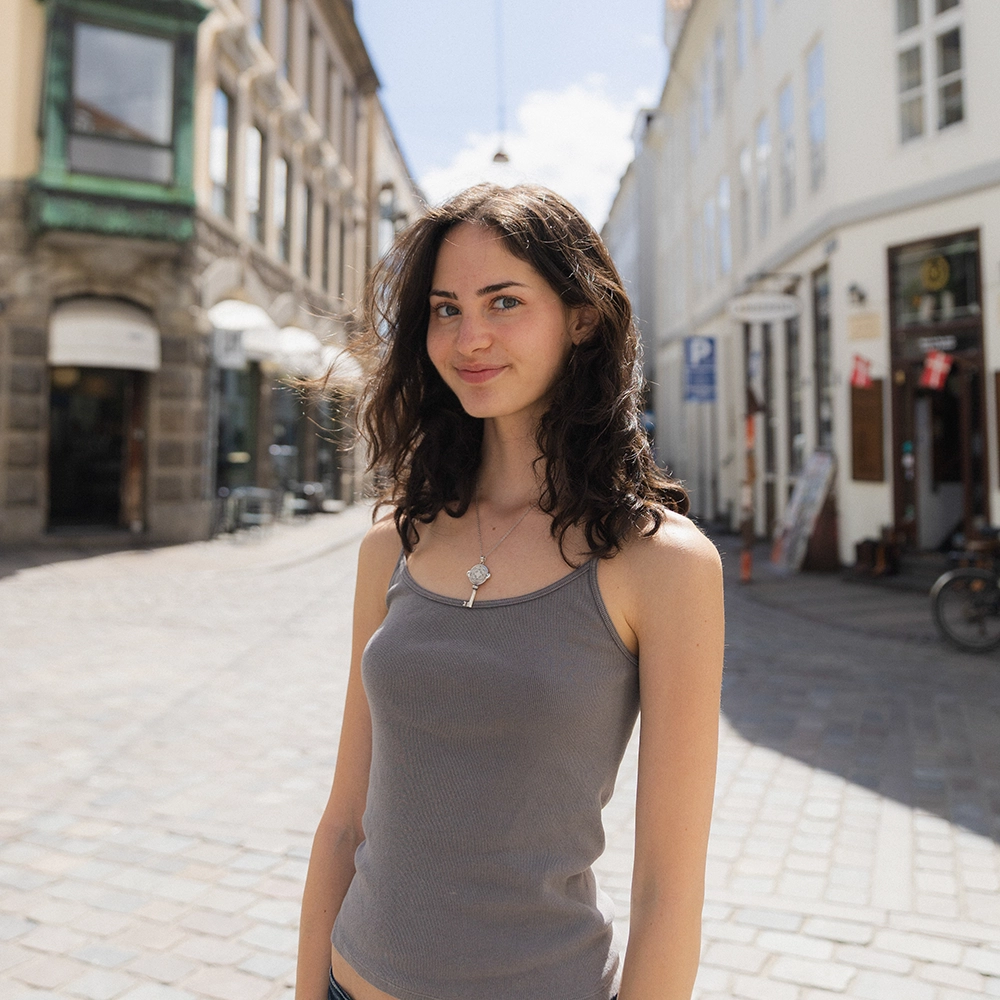
Hey! I’m Ruth, and I am double majoring in architecture and art history with a visual arts concentration at Barnard College. I am studying with DIS for all three summer sessions, with Session 1 in Copenhagen and Sessions 2 and 3 in Stockholm!
For Session 1, I am enrolled in Strategies for Urban Livability; Session 2, Curating Today: Artists, Exhibitions, and Audiences; and for Session 3, Photography in Europe: Technology, Culture and Art. Follow along as my blogs feature lessons and reflections from what I have learned in my courses, but also stories and memories I make during my time in Scandinavia — summer will be full of exploring different museums, parks, and side streets that each city has to offer.
Rose
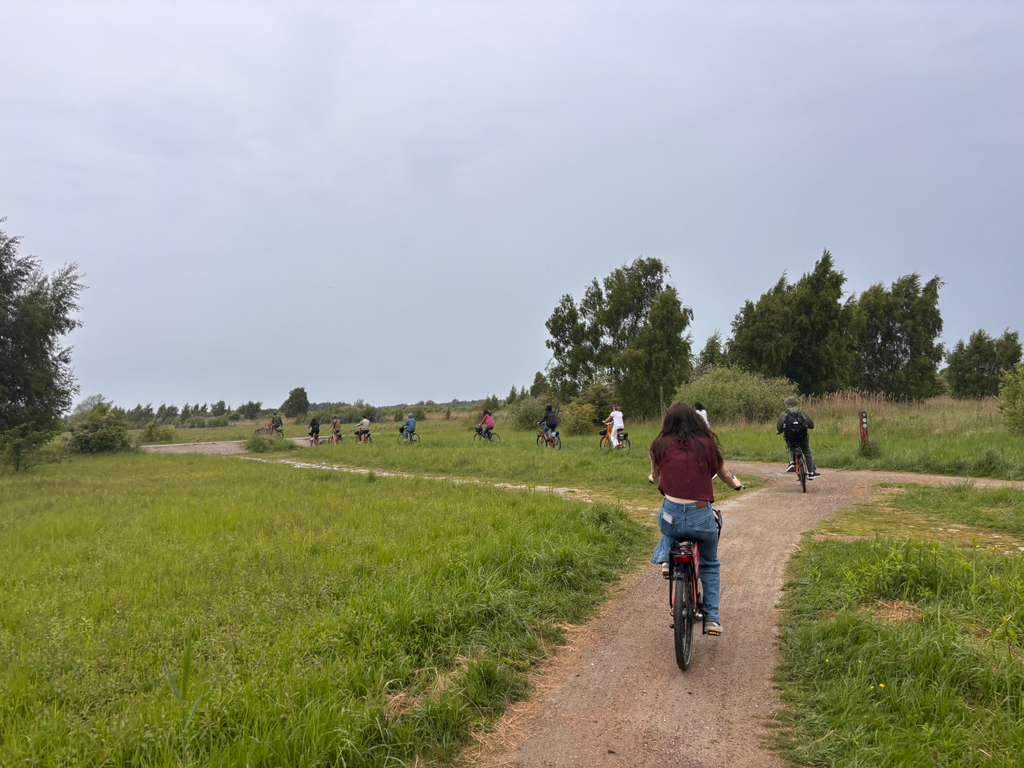
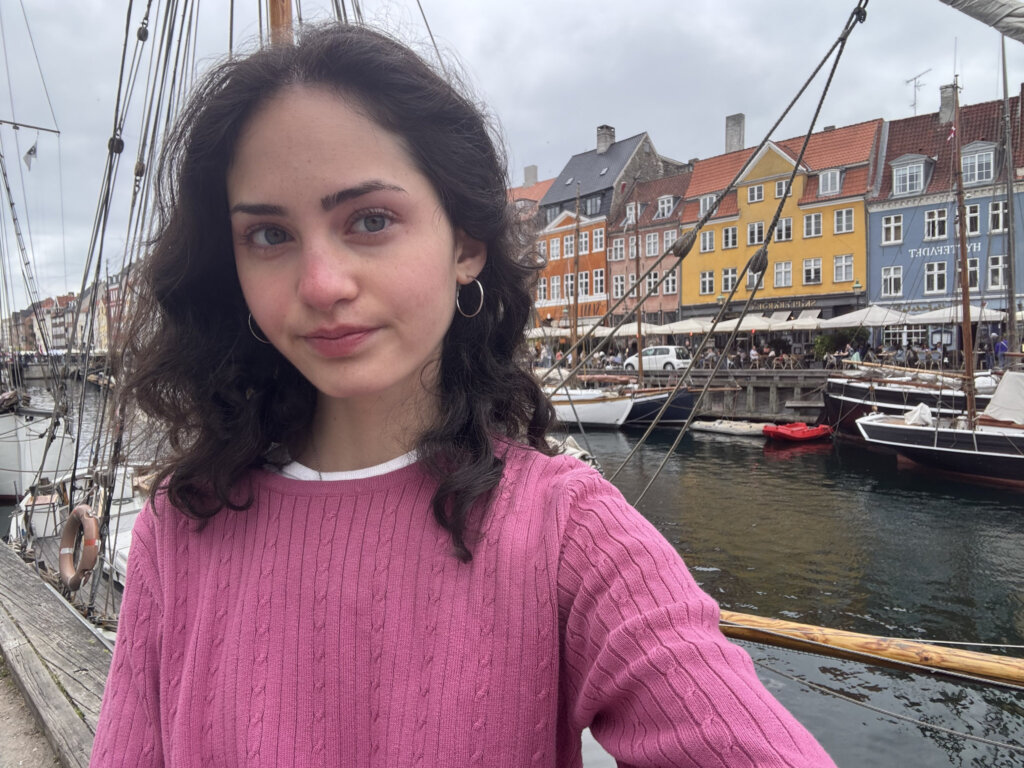
It is really hard to choose only one rose for the past three weeks, but I think the course I was enrolled in, Strategies for Urban Livability, was especially meaningful to me for a variety of reasons. This class was centered around what livability means and looks like in the city, and by using Copenhagen as our classroom, we went on several walking and biking tours. Since our class sessions were actually spent in the city, we got to see first-hand various scales of public space and life, urban planning policies in action, and learn how urban change is implemented. After reading the works of Jan Gehl and Jane Jacobs and walking through different neighborhoods in Copenhagen, I was able to connect what I read about to real-world examples; I felt like I better understood what a city is meant to be: safe, comfortable, lively, and healthy.
It is not only biking and greenery that make a city more climate-friendly and enjoyable, but by having a variety of functions and events in the streets – by having multi-functional spaces with vibrant facades, community engagement is maximized, which makes the city more connected and vibrant. And this is not only executed through physical infrastructure but soft infrastructure as well, like community events.
And when I wasn’t in class, I found myself applying the methods or theories I learned during our sessions when I was out exploring on my own or with friends. I was really thinking about the space I was in, observing how others used the space, how I felt in the space, and the qualities it had (or didn’t have). This class made me more conscious of how certain design decisions shape our world and how we go through spaces. As an architecture student, I am excited to apply what I learned in my classes back at school, reminding myself of the importance of life between the buildings, not just within. Copenhagen’s many parks and plazas invite people, encouraging them to linger, relax, and interact, whether that be maintaining current connections or creating new ones. I was inspired by how much was happening in Copenhagen – Distortion, flea markets, Bloom, and so much more – and seeing people engage with others and the city, leaving me with endless opportunities on what to do and see.

Thorn
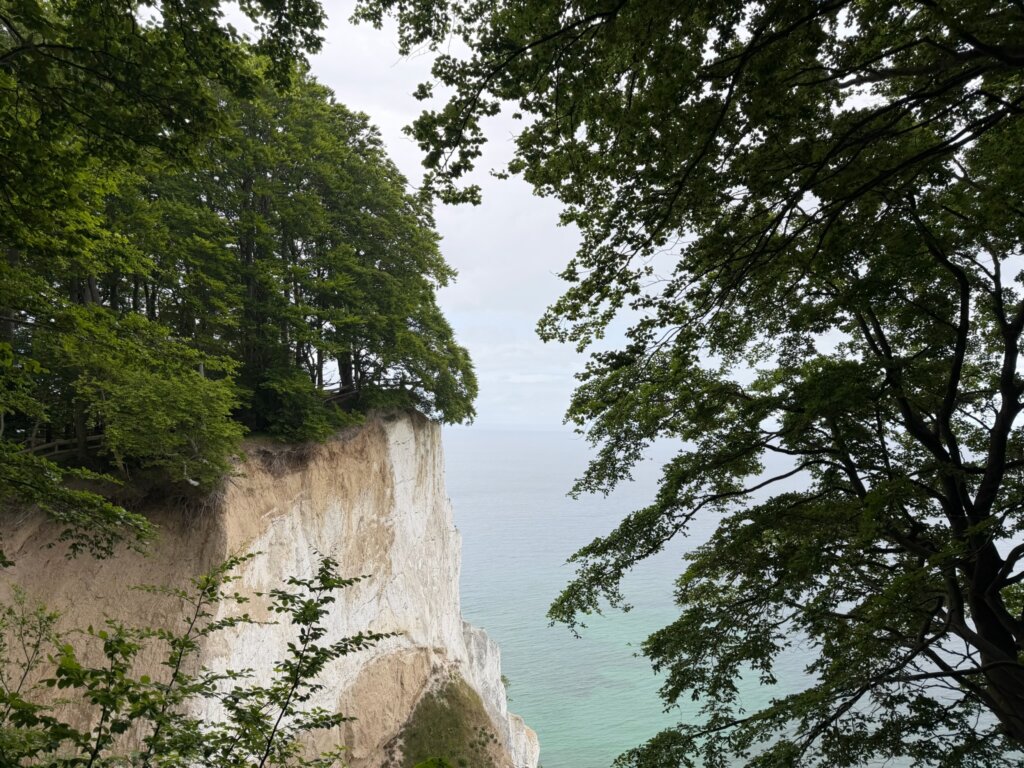
Although I had looked at the forecast many times, I did not realize how cold and rainy it would actually be. The four pairs of shorts I brought never left the dresser, I wore a sweater or jacket every single day, and I never swam in the harbor or at the beach (as much as I wanted to, I knew I would be too cold). The first week here, although it was more brisk than I thought it would be, the sun was out, which made it feel more like summer. But I want to say that I was not totally unprepared; I packed an umbrella! But I did not pack a raincoat, which proved to be problematic…
For our fifth class session, we did a biking tour around Ørestad, and I did not dress according to the weather, and proceeded to get soaked. The next day, thirty minutes before class started, I ran to Magasin as soon as it opened, ready to purchase a raincoat that quickly became an essential in my wardrobe. After the first week, the sun rarely came out, and it was cloudy or raining the majority of the time. But there was something soothing about watching and hearing the rain come down as we spent one rainy Sunday afternoon at the Louisiana museum, or when it started raining, when my friends and I rented a boat, but then a rainbow appeared, and we all sang ‘Here Comes the Sun.’


Bud
So much growth has happened in the past three weeks; I not only feel like I took a lot away from the course I took, as I feel more knowledgeable and aware about how urban design influences our built environment, but a lot of personal growth has happened, too. Going abroad to a country I had never been to can undoubtedly be daunting, but that is not what I was feeling the most uneasy about. I remember reading these same summer blogs, feeling somewhat skeptical that I too could make close bonds with people I had just met. Whether it be the simple act and joy of making dinner together or exploring the city and beyond, I felt nervous that I wouldn’t be able to acclimate ‘fast enough’ – I was nervous I would find myself emotionally and physically exhausted and overwhelmed with the pressure of doing as much as I can looming over me, causing me to not make the most of my time in Copenhagen.
Yes, there were multiple aspects I had to get used to: the sun setting at 10:30 pm, understanding cycling hand signals, and not knowing exactly where I was or what I was doing. But I grew to love the unknown and unexpected – with the days being longer, I was able to
spend more time with my new friends (who I absolutely adore and am beyond grateful for and the conversations we had). And although I was reluctant and somewhat scared to bike at first, after my first bike ride with Wendell, (thank you, Maeve, endlessly for allowing me to use your bike), I biked everywhere, from DIS to last-minute booked pilates classes. I also began to love getting lost and not knowing what came next, wandering into random side streets or art exhibitions, especially the Confluentia Colorum exhibition at Frederik’s Church during the 3daysofdesign festival.
Session 1 was full of new experiences, friends, and memories, and I am beyond excited for what Stockholm will offer, remembering that opportunities and inspiration truly are everywhere.