

DIS Blog
The most fulfilling three weeks of my life
Spending two summer sessions in Copenhagen, Lily recaps her first three weeks. She discusses her academic experience at DIS and what it’s like getting settled in Copenhagen, and shares tips for making connections once you arrive.
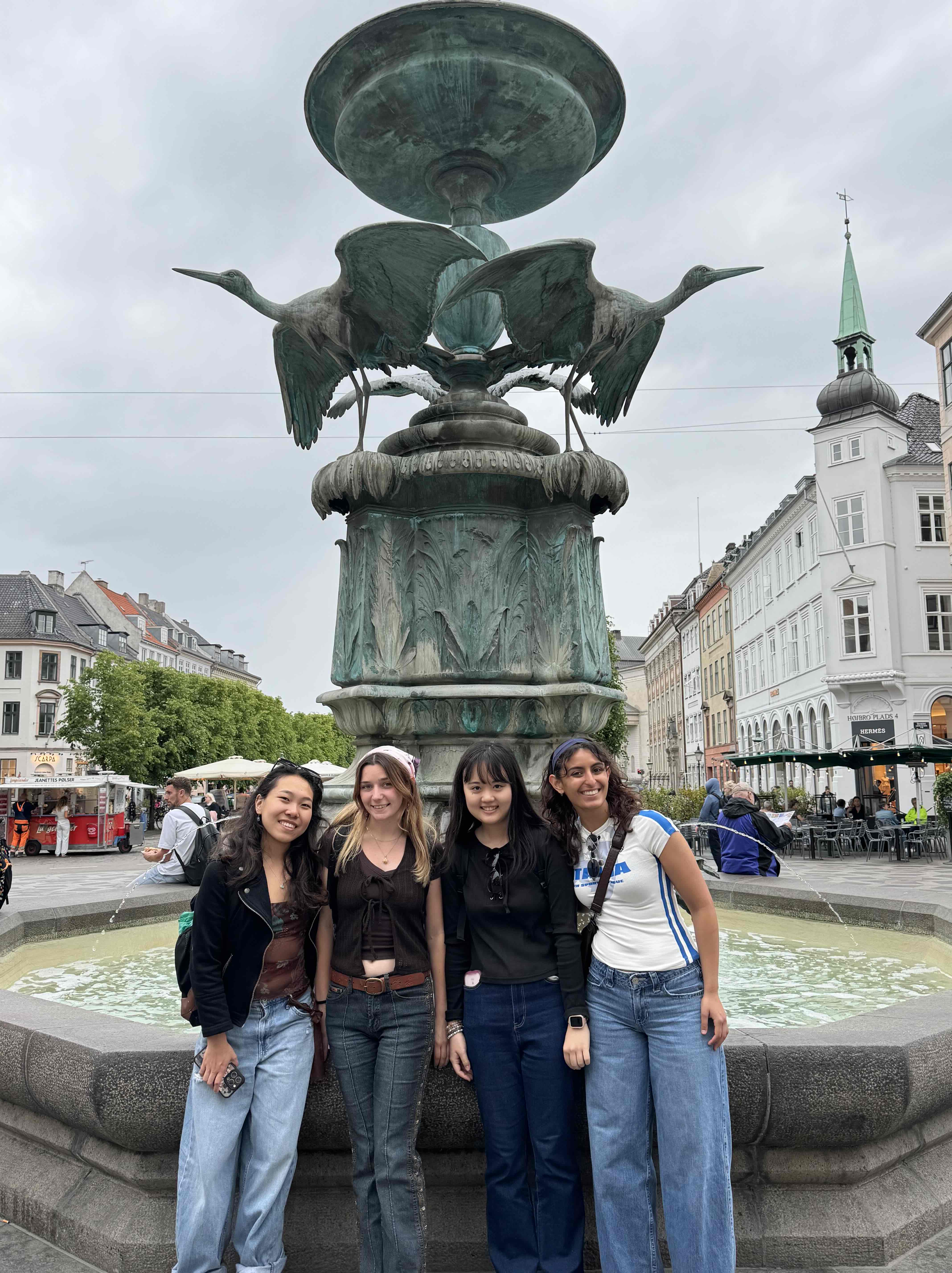
Looking back on the three weeks of session 1 in Copenhagen, I can definitely say it was one of the most fulfilling three weeks of my life.
Since my arrival, every day has been full of new experiences, including learning new concepts, visiting new places, meeting new people, and trying new food. On the last day of the session, I felt a genuine sense of satisfaction and achievement, as you feel when you finish an intense movie full of adventure. Three weeks in Copenhagen went by fast. Still, every day was filled with so many events that, looking back, each one feels much longer than it was.
About the blogger
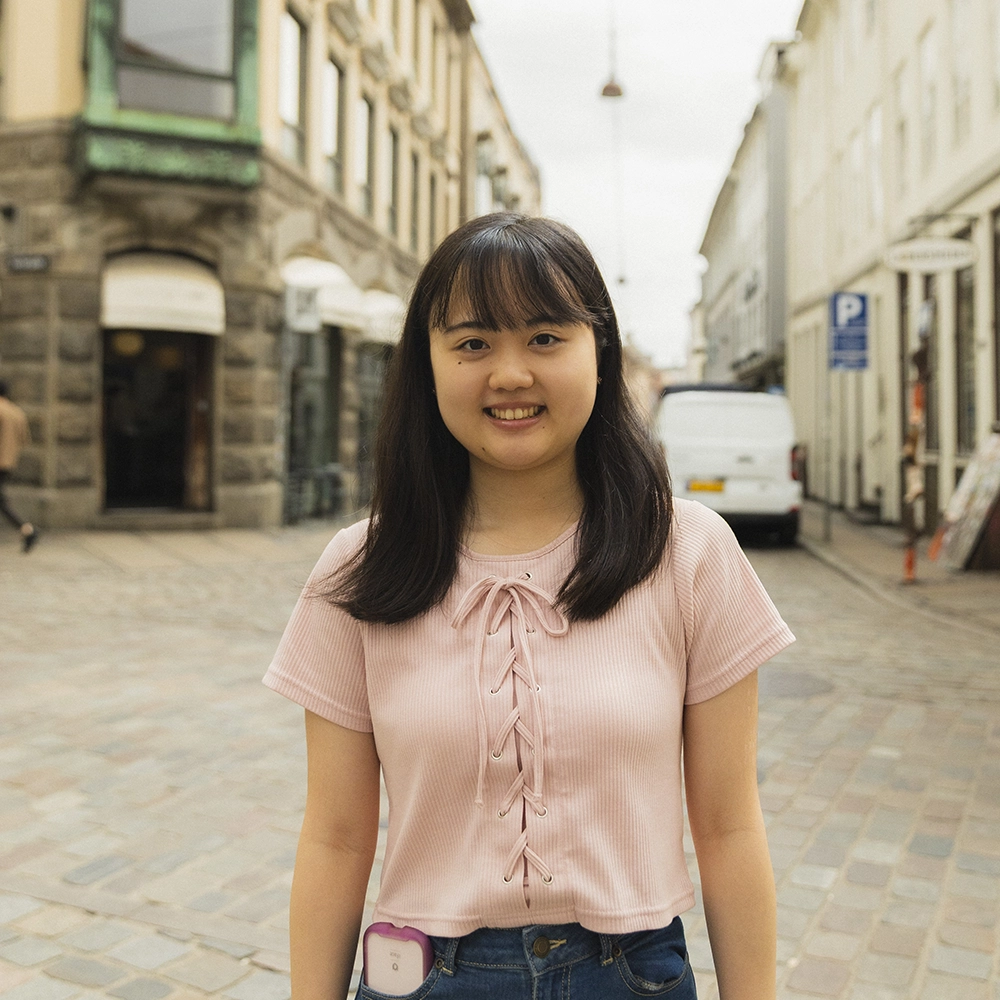
Hi! I’m Lily, and I study Psychology and Asian Studies at the University of British Columbia. I’m enrolled in Positive Psychology for Summer Session 1 and Beautiful Mistakes: The Psychology of Learning from Failure for Session 2, learning how to promote optimal mental health and maximize personal growth.
My blogs focus on my honest reflections on academics at DIS and on life in Copenhagen, including the connections I’ve made with people here. Follow along with my journey, and I hope something in my blogs will feel helpful to you!
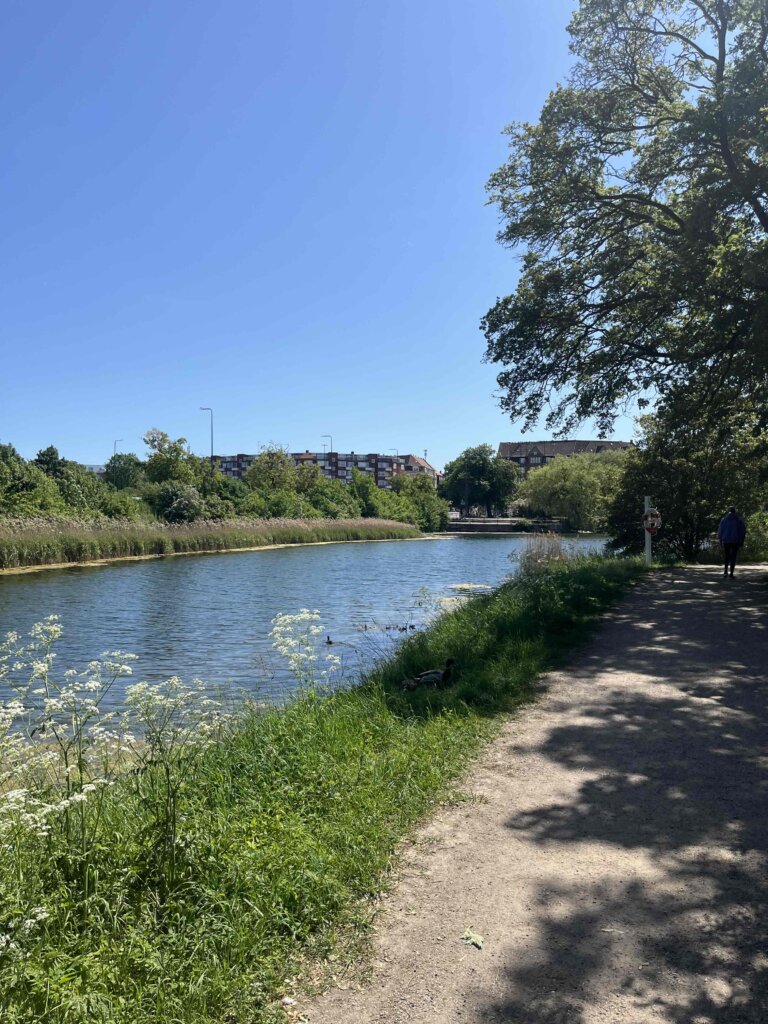
Learning positive psychology in one of the happiest countries in the world
During session 1, I took a positive psychology course. As a psychology major at my home university, most of my coursework has focused on clinical or neurological perspectives to understand what goes wrong in humans and why. However, in the positive psychology course, we studied human flourishing rather than deficits. Learning various frameworks within the field, including the PERMA model and self-determination theory, we discussed how those frameworks can be applied to real life, including ours. Focusing on what makes people thrive rather than on pathology was very meaningful to me, as it helped me think about how psychology should function as a field to maintain and promote human mental health and society.
Also, it was cool to learn from a Danish instructor who has been working professionally in the psychology field, whose story as a Dane greatly helped me understand each concept more deeply and deepen my understanding of the root of Danish people’s happiness.


Copenhagen as a classroom
One of the things that surprised me most about studying at DIS was how much the field study is centered around the coursework. During the three-week session, we went on a field study almost twice a week, instead of meeting in the classroom. Actually, it was one of my favorite parts of the session, and I was excited every time we went outside.
One of my favorites was sound baths, which aim to relax both our nervous systems and our brains, helping us clear our minds and feel more grounded and connected to ourselves. Not only was the therapy itself relaxing and refreshing, but also the card that the therapist gave each of us was meaningful to me. The theme of my card was “Balanced life,” which felt like a quiet reminder of what I was trying to prioritize during my time in Copenhagen.
Visiting the Statens Museum for Kunst (SMK) was also my favorite. The guided tour of Danish and Nordic art was very insightful, teaching me another way to view art by paying close attention to every detail in the picture with my five senses.
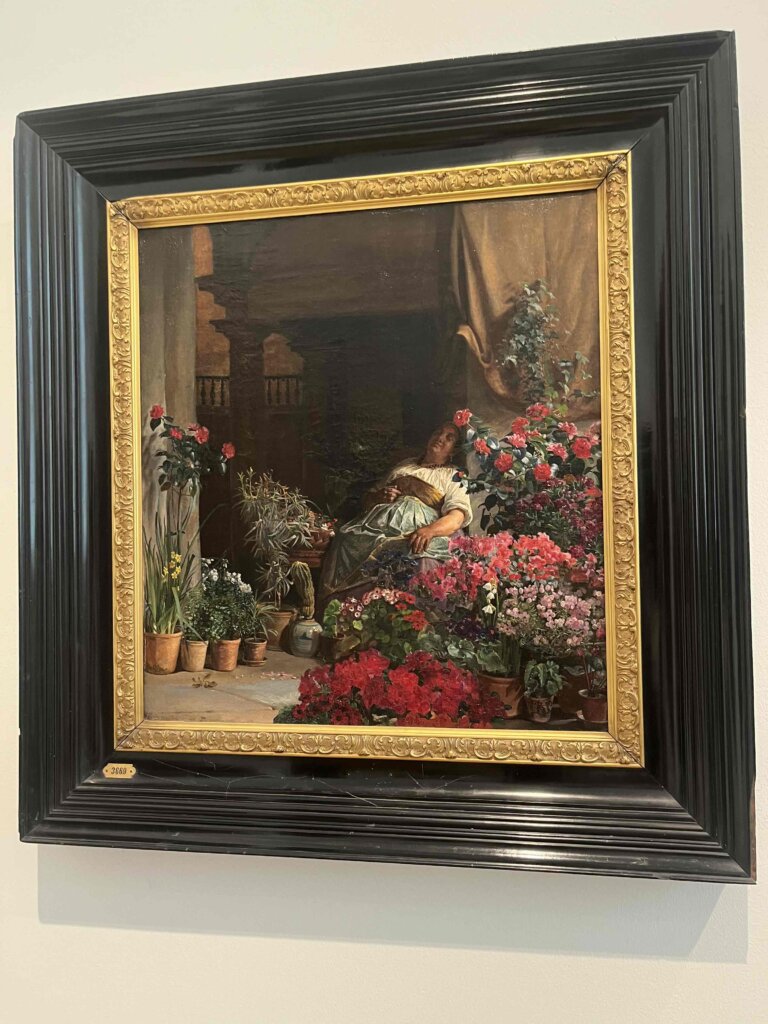
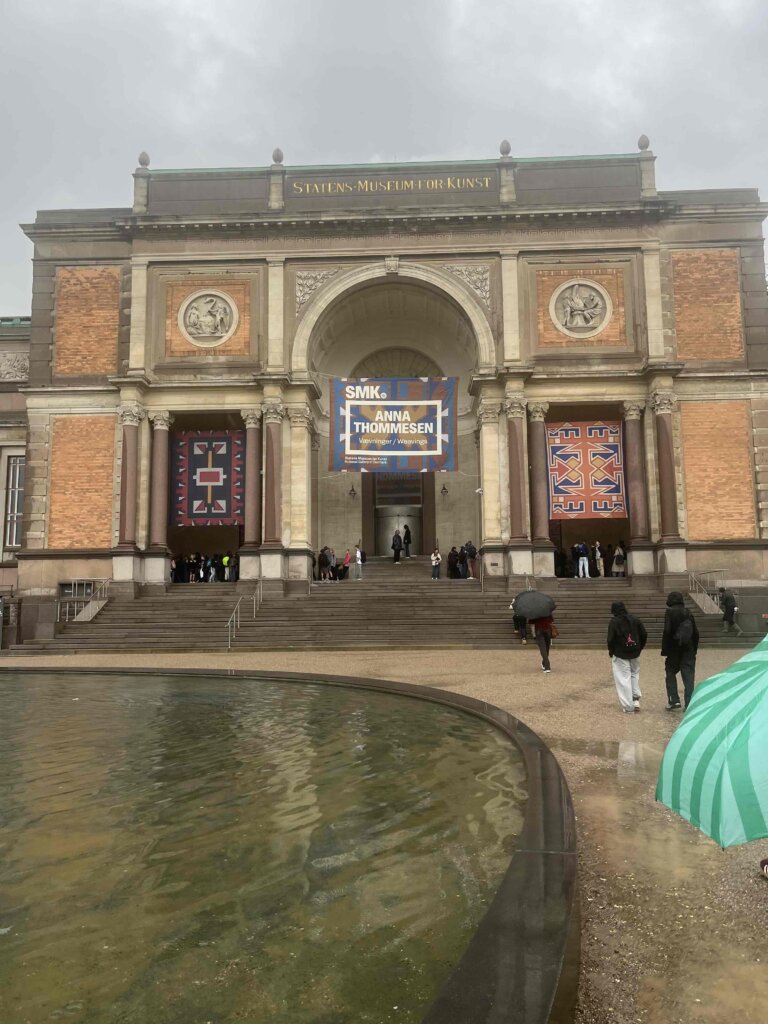
We also went to explore the city with a specific topic: What might be the reasons for Denmark being ranked as the happiest country in the world? We interviewed some local people and listened to their thoughts on the topic, which was a very cool experience for me because I had not done coursework like this at my home university.
Based on conversations with the interviewees and my observations while walking around the city, I noticed one potential factor in Danish people’s happiness: a greater sense of trust, not just between people but also between people and the systems around them. In Copenhagen, strollers are parked outside cafes while moms are inside, or the metro system runs on the assumption that people have paid the appropriate tickets to get on. I have never been to somewhere with such a great sense of trust within the city, which stood out to me.
As someone who settled into a whole new city while studying abroad, I believe the field study component plays a significant role in helping students get to know the city and feel at home there as soon as possible.
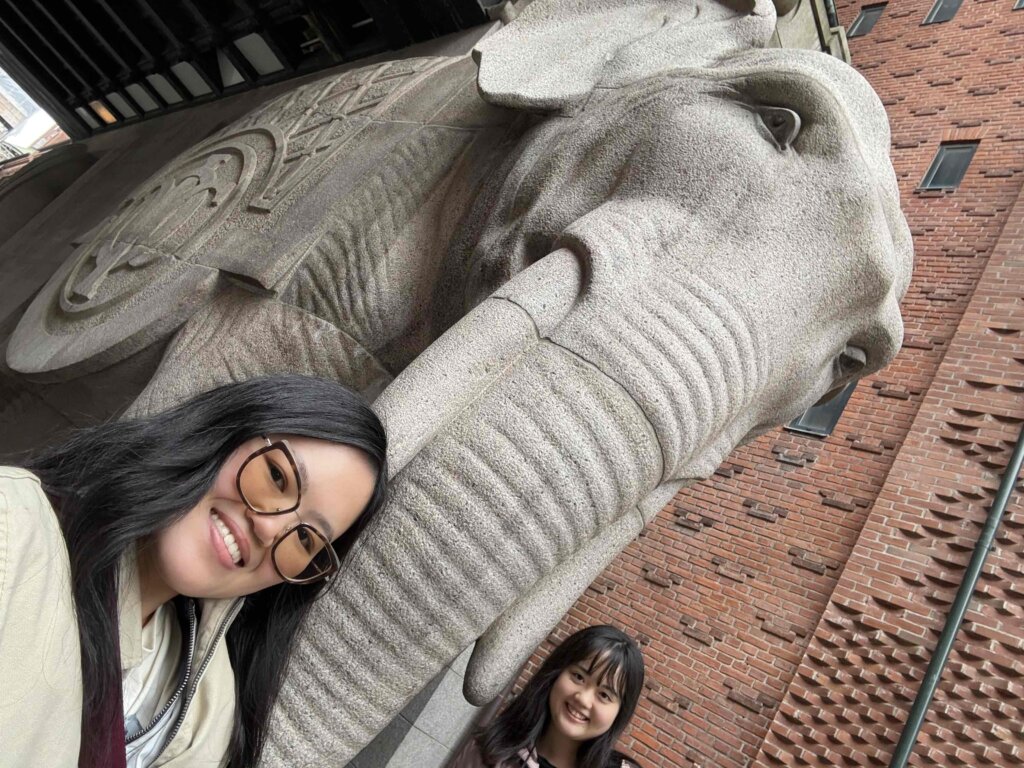
At the beginning of studying abroad, it is very easy to feel intimidated when exploring the city, because everything is new and unfamiliar. However, the field studies in the session greatly helped me get to know Copenhagen more quickly, not only during the field study itself but also on the way to and from the location, as they allowed us to visit new parts of the city via different routes.
Some tips for future students
Before arriving in Copenhagen, I left some notes with questions and concerns for me to write this blog, and I’ll answer and clarify some of them. First, Copenhagen can definitely be expensive, and that is not just a rumor. I would say that before you arrive, it might be helpful to get comfortable with a few simple recipes you can make with basic grocery-store ingredients, so you can save money and feel at ease at the same time. Also, you should definitely be ready to walk every day. Copenhagen is very beautiful and incredibly pedestrian-friendly. The metro and bus systems are fully developed, and you can easily move around on foot. Getting 15,000 steps a day has become surprisingly normal for me after arrival.
Meeting and connecting with new people
Meeting new people and making new friends was one of the parts that I was most anxious about before arriving. Three weeks is a very short time compared to an academic term at college, and I am an introvert who loves being alone in my room and often takes time to become friends with others. Honestly, I remember I felt a lot of pressure before arriving because I thought I had to build meaningful connections in such a short amount of time.
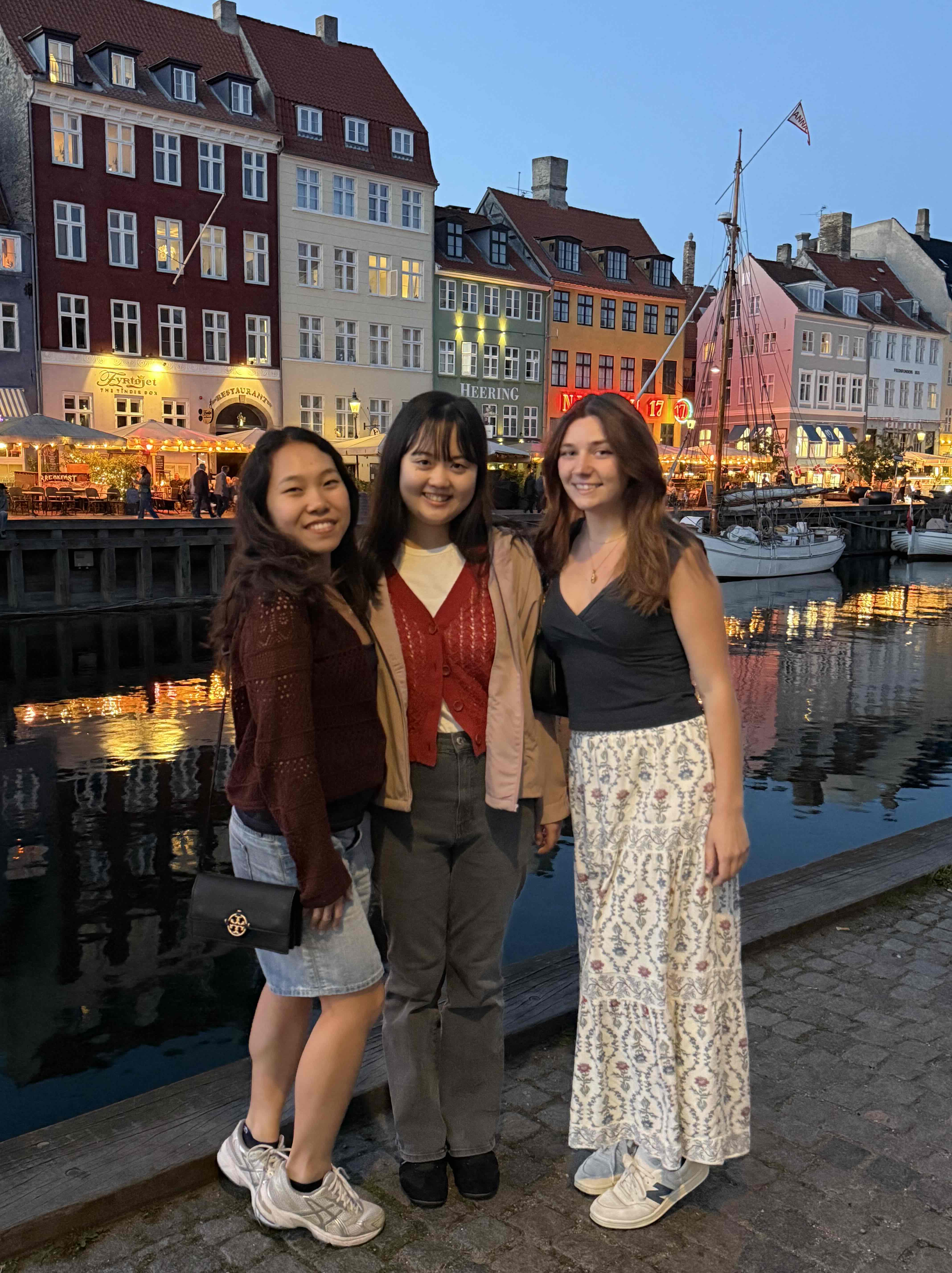
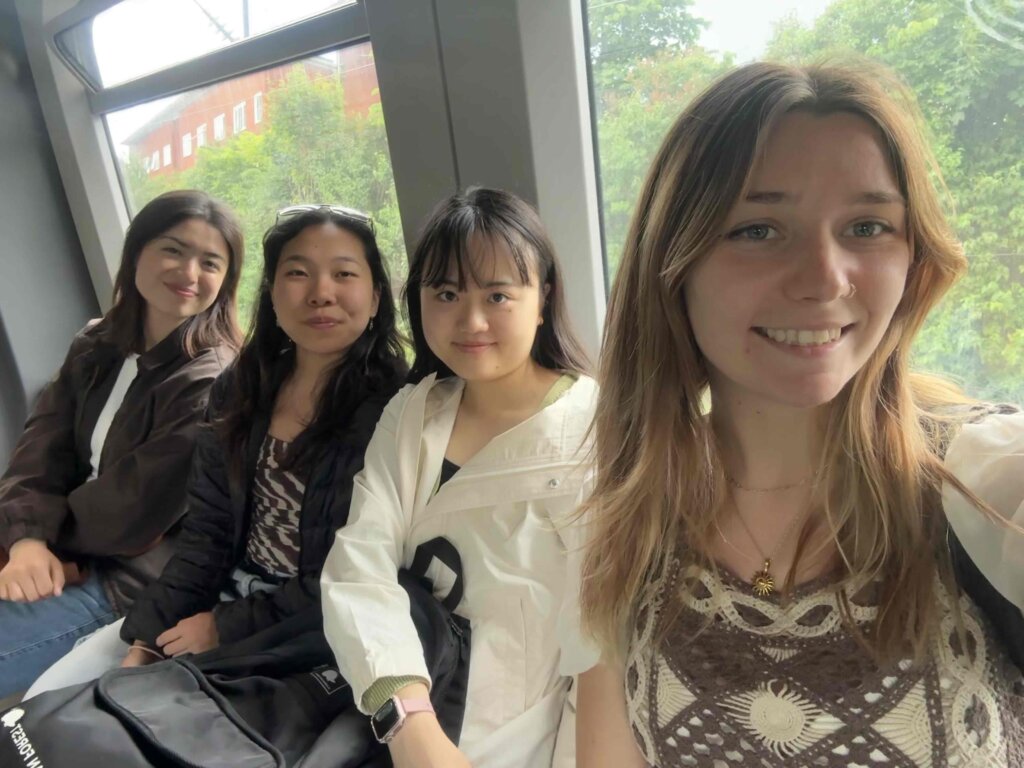
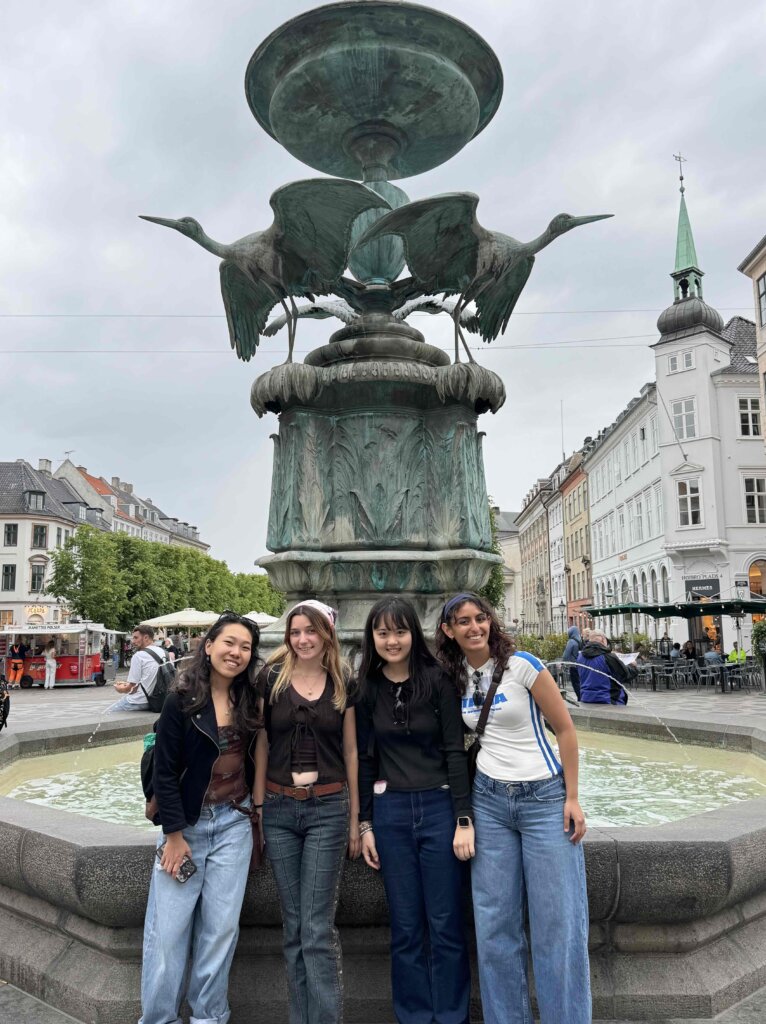
However, what I experienced here was somewhat different. Through classes and activities after school, including lunch and short excursions together, I met people I genuinely want to stay in touch with even after this session ends. When I arrived in Copenhagen, I never expected that saying goodbye at the end of the session would feel so heartbreaking. Now I am very grateful to have met such great friends, people I genuinely believe I would never have met anywhere else, and that alone made coming to DIS one of the best decisions that I have made.
One thing I noticed that helped me make such meaningful connections was staying open to small, spontaneous events, including grabbing lunch after class or going somewhere to explore. Keeping my schedule flexible enough to say yes when something came up around me was very helpful for making unexpected but great connections with other people.