

DIS Blog
Life in the lab and Stockholm
Nolan reflects on his last summer session in Stockholm. He discusses how he developed a sense of belonging, what he took away from his lab courses, and how his study abroad is an experience he will never forget.
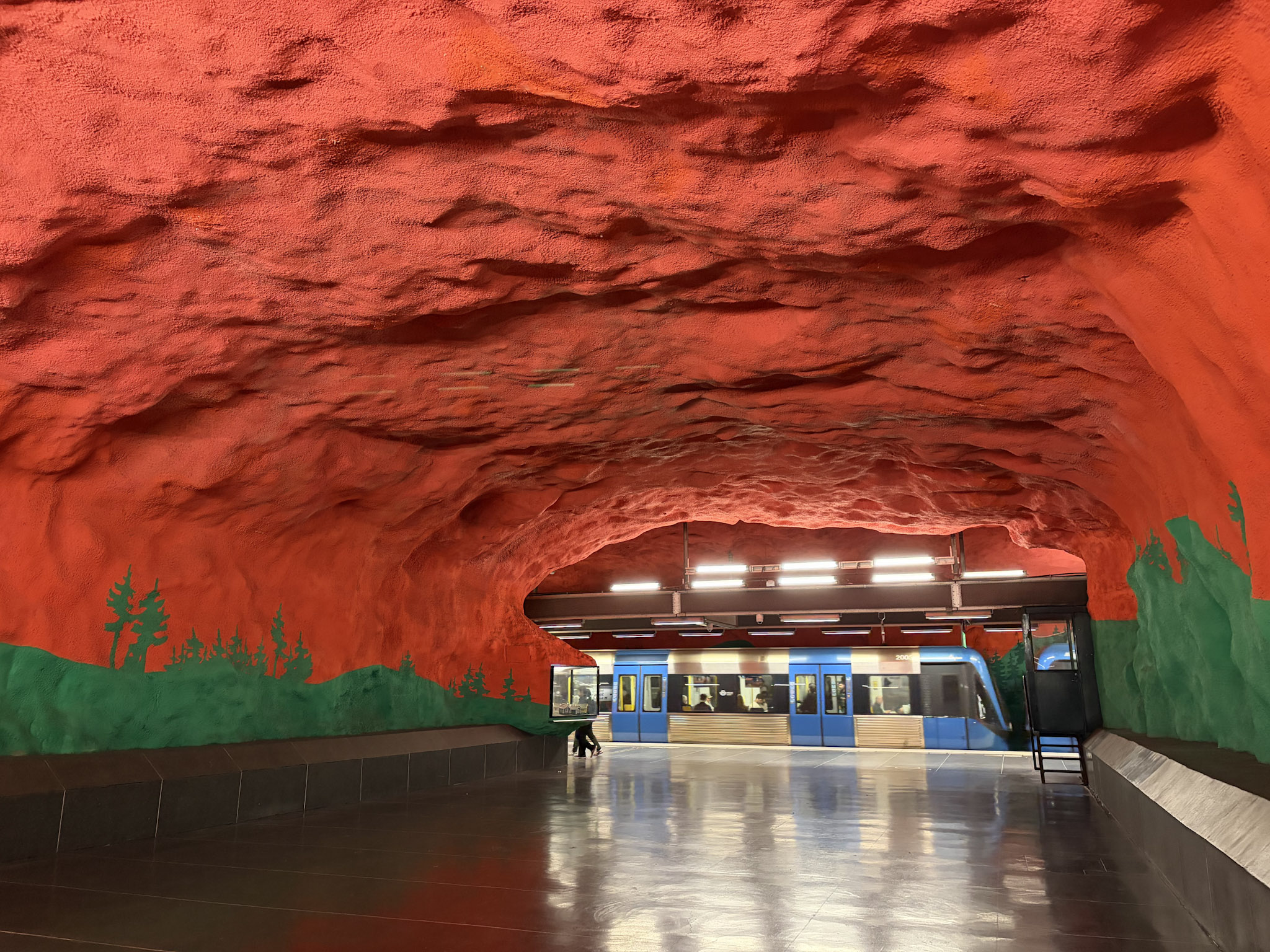
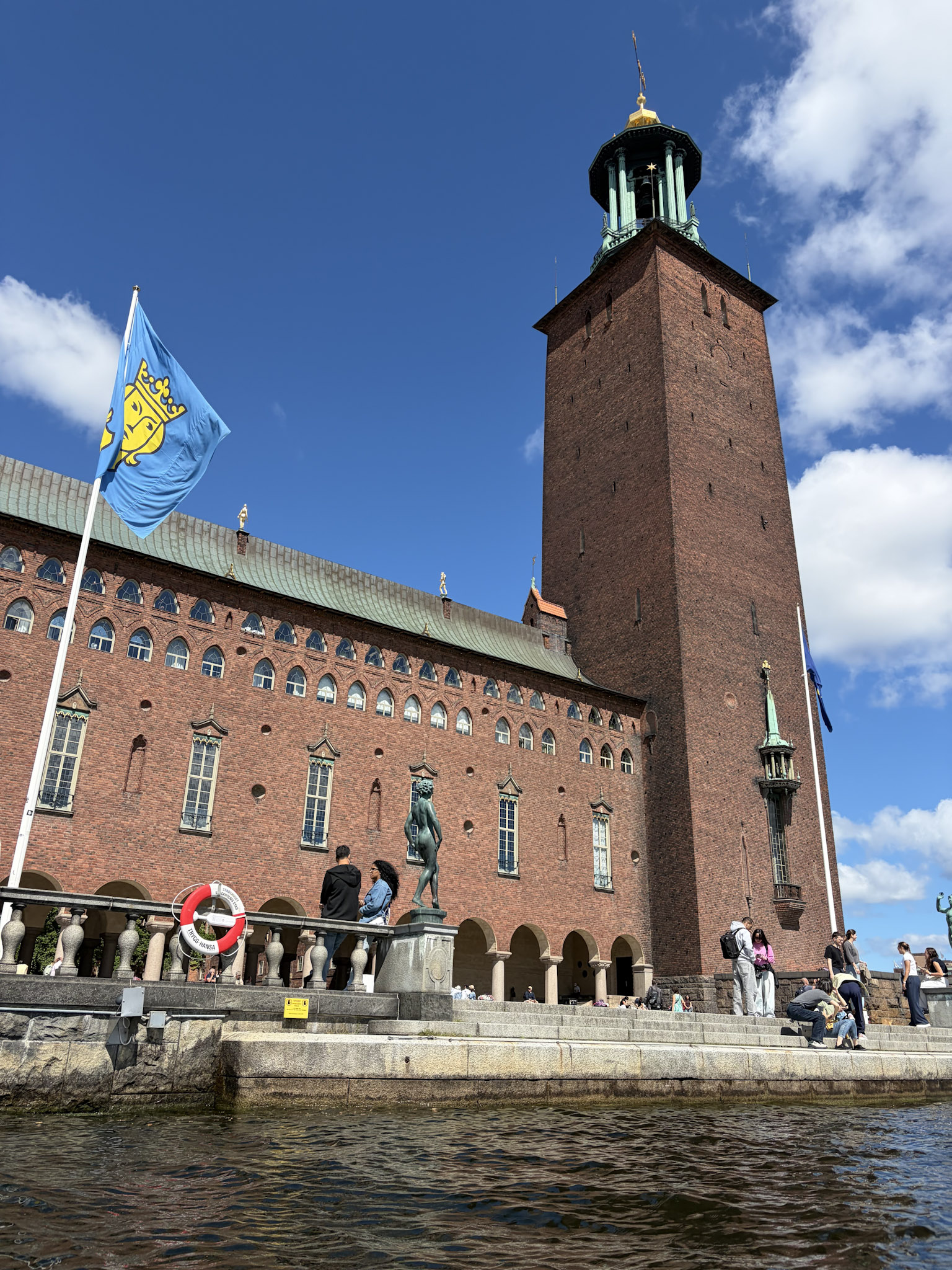
Now that I have lived in Stockholm for almost six weeks, the layout of the city feels much more familiar.
Although the biomedical lab is located in a different part of Karolinska, whether we are meeting in Flemingsburg or Solna, I have definitely gotten into a rhythm. It is also much easier to navigate to these places since I often take public transport to the biomedical lab with the friends I have made in the lab. I have felt like the second session has felt much easier because there’s less of a nervous curiosity feeling and more of a sense of belonging. Spending days working in the biomedical lab has made it feel like I’m less of a tourist in Stockholm and have developed more of a local perspective. In the second session, I’ve transitioned from focusing on navigating the streets of Stockholm to spending more in-depth time in the lab learning from professionals.
About the blogger
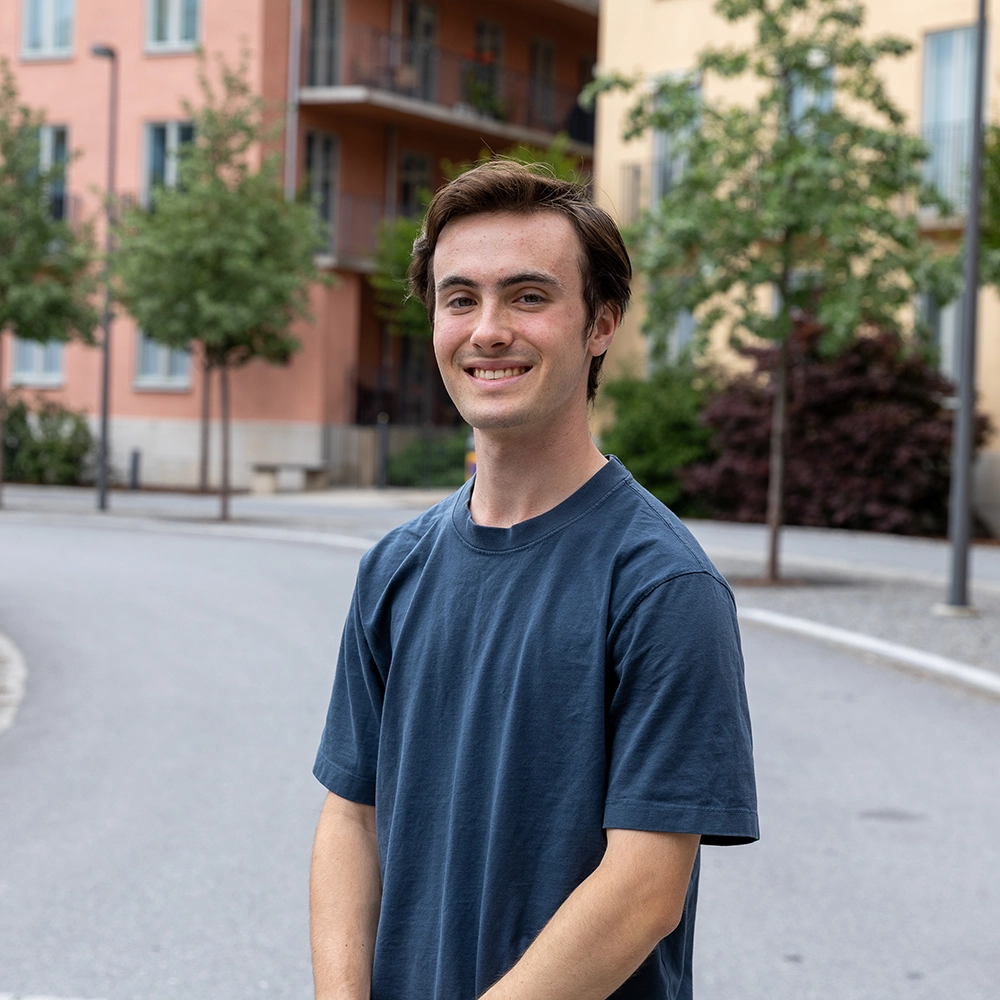
Hi! My name is Nolan and I am majoring in Biochemistry at the University of Vermont. I am currently involved in a six-week, six-credit Biomedical Lab for Summer Sessions 1 and 2.
My blogs focus on daily life in Stockholm, getting used to commuting through Stockholm, adapting to learning in a new environment, and my experience being in Scandinavia for the first time. I enjoy running, exploring Stockholm, and visiting museums with friends. Come check out my blogs if you are curious about what it’s like to study abroad in Sweden.


Techniques in the lab
In the biomedical lab, we have moved past basic lab techniques like drawing blood and have moved towards lab techniques related to human physiology. I’ve learned about several sensors like Galvanic Skin Response, which measures the electrical signals on the surface of the skin and Electromyography, which measures the electrical signals within the muscles. The main goal in our latest experiment has been to quantify the difference between how the body’s Sympathetic Nervous System (“fight-or-flight” alarm system) responds to drinking water versus caffeine. In order to test this, everyone in the class was tested on their baseline values for different factors affected by the SNS, including GSR, heart rate, and blood pressure. The class was then split into two groups; one group that had to drink water for 30 minutes and then have their heart rate, blood pressure, and GSR recorded and another group that performed the same task, except they had to drink caffeine. I found it more engaging to see the differences between the two stimuli in the lab on the monitors rather than just reading about the Sympathetic Nervous System in a lecture.

Our collaborative poster
Once the data was collected from everyone in the lab, we all worked together as a research team to develop a poster. To stay organized and efficient, we split into several mini groups to work on each section of the poster. Collaborating on the poster wasn’t just about making it look professional. It was also about making a story out of it. It covered everything from our initial research question to the box plots that were developed using Python to theresults and discussion sections. It was incredible seeing how smooth everyone worked together and contributed towards the finished poster.
Immersing myself in the culture
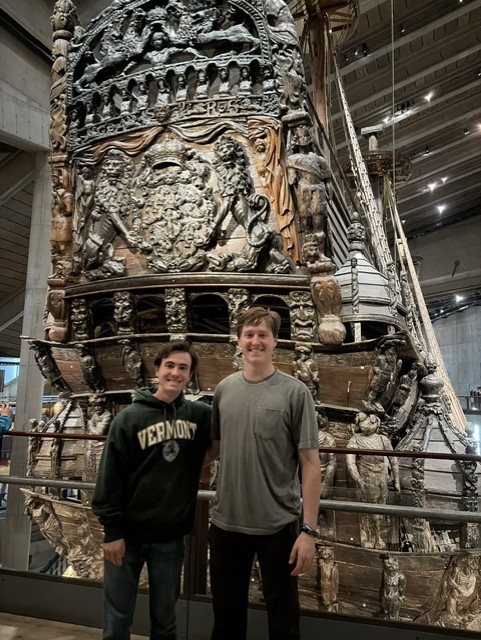
After having visited several of the more tourist-like museums such as the ABBA museum and the Vasa museum, which are both amazing museums, I have spent more time learning about Viking history. My friends and I recently visited the Viking Museum on the island of Djurgården. When we first arrived, we joined a tour of the museum where we learned about the diaspora of the Vikings across Europe as well as the stories of the Norse deities. We even went to a Viking-themed restaurant for dinner one night called Aifur. It was such a blast, and I found it really cool how every group’s name was announced as they were seated and everyone applauded them. The experiences from the second session have given me a greater appreciation for living in Stockholm. It has been fascinating traveling to new islands and exploring a city that has existed for centuries.


Reflecting on my study abroad experience
The nearly six weeks spent in Sweden have felt surreal. Looking back to when I first arrived in Stockholm, I was just nervous about how I was going to be cooking every meal on my own. I also was just scratching the surface of learning about Stockholm. Now, I have gone beyond just visiting museums and running trails. I’ve adapted to the rhythm of daily life in Stockholm, whether it’s taking fika or going swimming by the rocks on Kungsholmen. In the lab, I have met incredibly smart and kind people, both my classmates and the professionals that we have worked with. I believe that this experience will help develop connections for my future occupation. I’ve learned a lot living in Stockholm, not just in the lab at Karolinska but also by exploring the local areas of Stockholm. I have developed a much broader understanding of Sweden as well as Europe as a whole from my weekend trips to different European cities. The environment of Stockholm has been very welcoming to me, as I had previously never visited Europe before. Living in Stockholm has been a perfect challenge, and I am grateful for having the opportunity to grow in this city. My time in Stockholm will be something I will remember for the rest of my life.