DIS Blog
Getting in touch with the Greenlandic Outdoors
Camille is in the inaugural Arctic Experiential Studies cohort this Summer 2026. Spending two weeks in Copenhagen and four weeks in Greenland, the group is studying Greenland from multiple perspectives — climate change, eco-psychology, and global security.
After about three weeks in the field, Camille reflected on her experience so far.
I’ve been an outdoors girl my entire life.
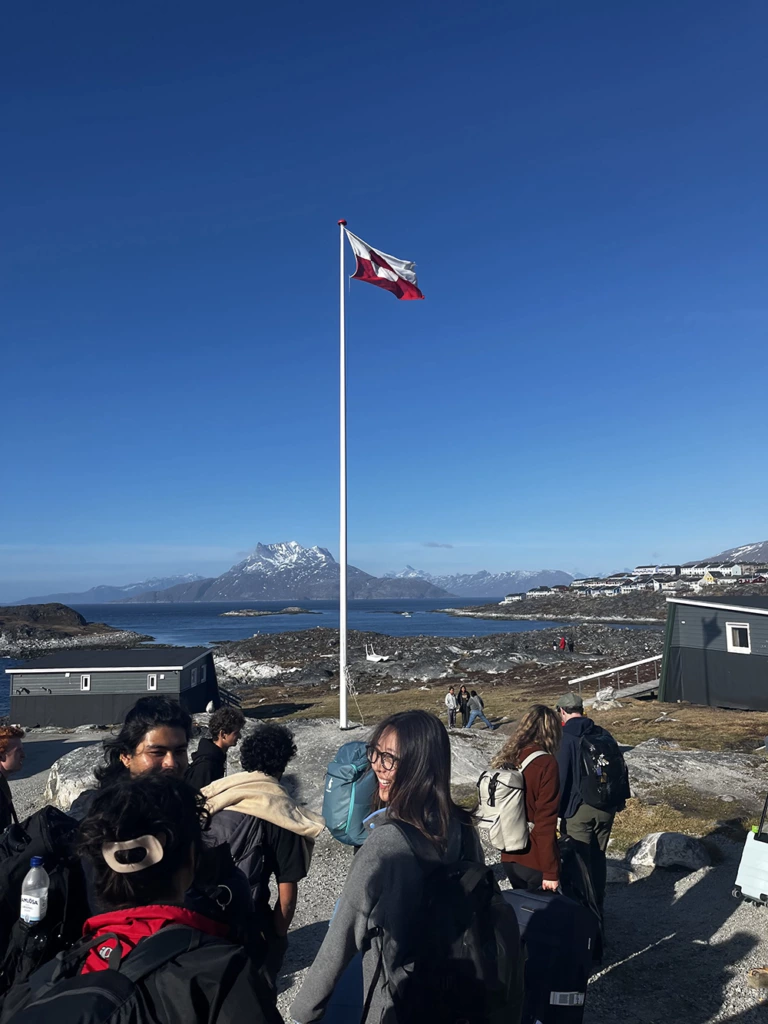
I enjoy walking to clear my head, road-tripping to lakes and forests, hiking if it’s slow and relatively flat. While I knew I had a long way to go in terms of fitness and stoicism, I thought I was well-versed in the lessons of nature. As soon as I landed in Nuuk, Greenland, I realized how different my surroundings were and how much I was about to learn.
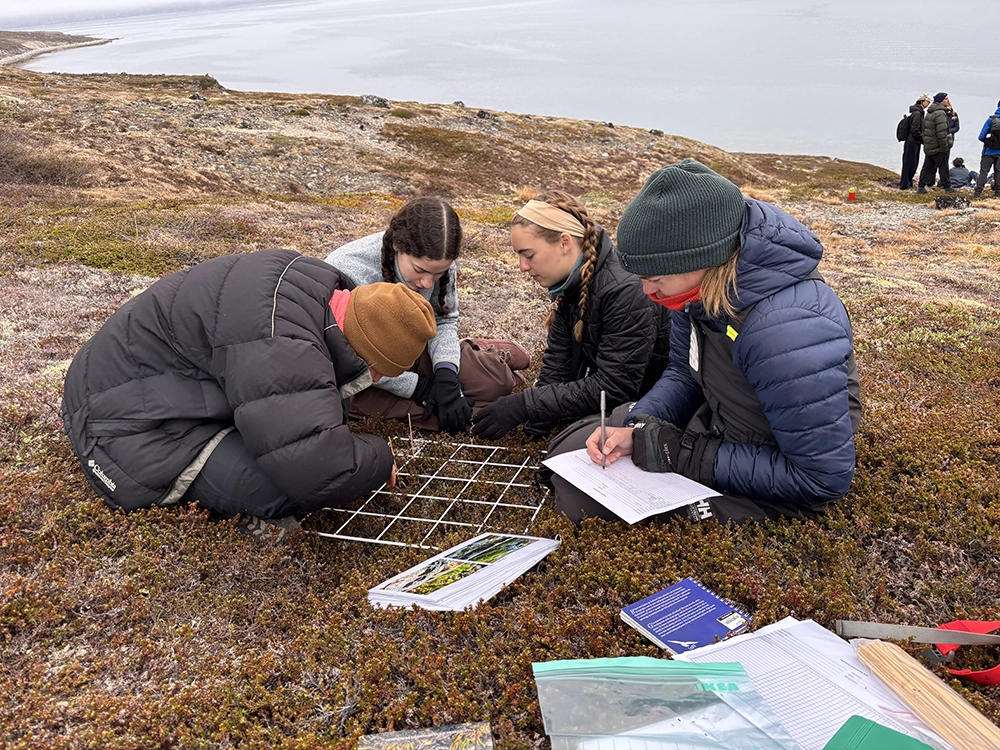
I’ve been in Greenland for nearly three weeks, and after two overnight camping trips and many classes outside, my perception of nature has completely changed. Here are a few different ways Greenlandic values have made me connect with the outdoors on a deeper level.
About the blogger
Hello, hej, aluu, I’m Camille! I’m taking the Geopolitical Rivalries and Global Security course as part of the Arctic Experiential Studies cohort. At my home school, Wheaton College (Massachusetts), I’m double majoring in International Relations and Creative Writing.
I write about how my perception of myself and my world changes during my time abroad. Keep reading for reflections on my time in Greenland.

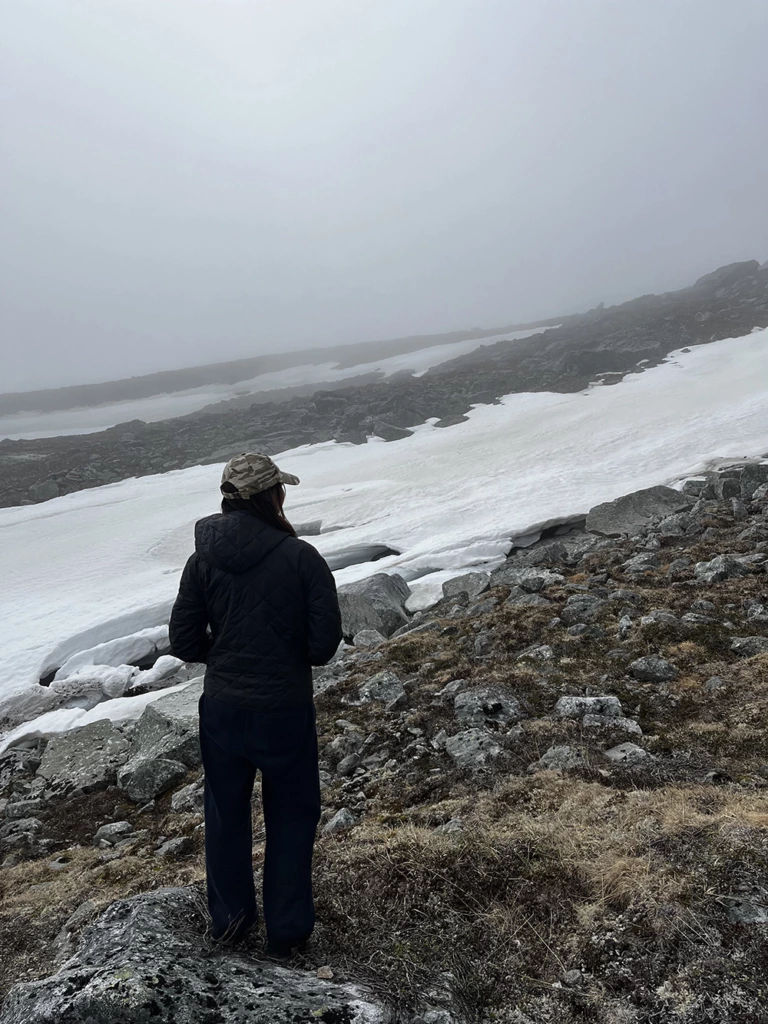
Getting in touch with silence
Before arriving in Greenland, we were warned of how annoying us Americans can be. We like to talk nonstop, and silence is considered awkward. Greenlandic culture is quiet. Not every silence needs to be filled. Sometimes, silence can say a lot. As someone who isn’t the most chatty, I thought I’d have no problem with quiet. Turns out, being quiet wasn’t what I had to get used to. It was the silence.
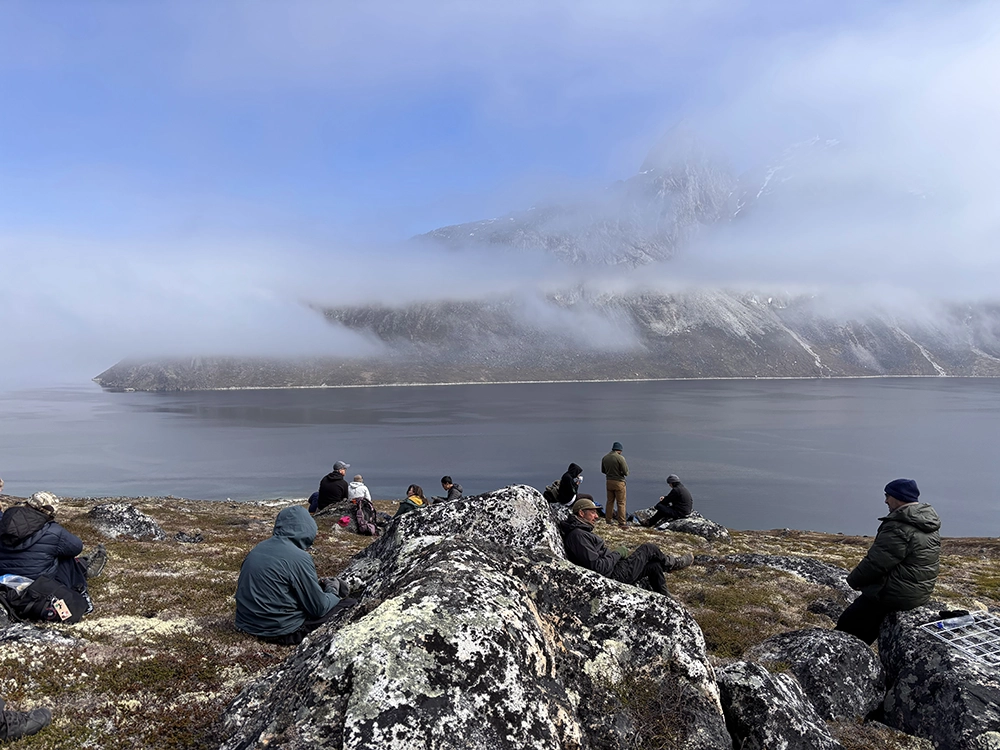
It’s hard to find true silence in populous countries. At home, enjoying the silence outside means listening to birds, crickets, and car engines. In Greenland, enjoying the silence outside means real silence. It means hearing nothing. Rather than grass, Greenland is blanketed by lichen. It has the unique effect of muffling acoustics, meaning sometimes you can’t hear something like running water until you’re ten feet away from it. Occasionally, the wind will rustle through the grass or a bird will take flight, but other than that, there’s really no sound. You begin to hear your heartbeat and become very aware of each intake of breath.
It was very strange at first to hear nothing. It was even stranger to hear my own heart. I would like to hear it more often. Nothing is a very beautiful sound.
Getting in touch with the life cycle
As someone who had never gone fishing or hunting, it was easy for me to separate food from living things. Eating bacon didn’t remind me of cute pigs, and when I ate hot dogs, I didn’t think of the gut skin wrapping the sausage. That’s not the way things are done in Greenland. One speaker told us about how her sons had been hunting from a young age, and understood well that something else has to die for you to live. It’s a grounding, humbling value that I had never applied to my life before.
In Nuuk, we participated in a workshop with seal intestines. It took a long time to scrape the outside and inside of the intestine, and I was gagging the entire time. While my classmates successfully cleaned and dried the gut, I spent a lot of time just trying not to throw up. I understood that Greenlanders had been using gut skin as textiles for centuries, that it was an essential waterproof material. I understood that an important indigenous value was to waste no part of an animal. Even so, I had a difficult time wrapping my head around touching guts.
“Something else has to die for you to live.” I got my first taste of this when I tried fishing for the first time.
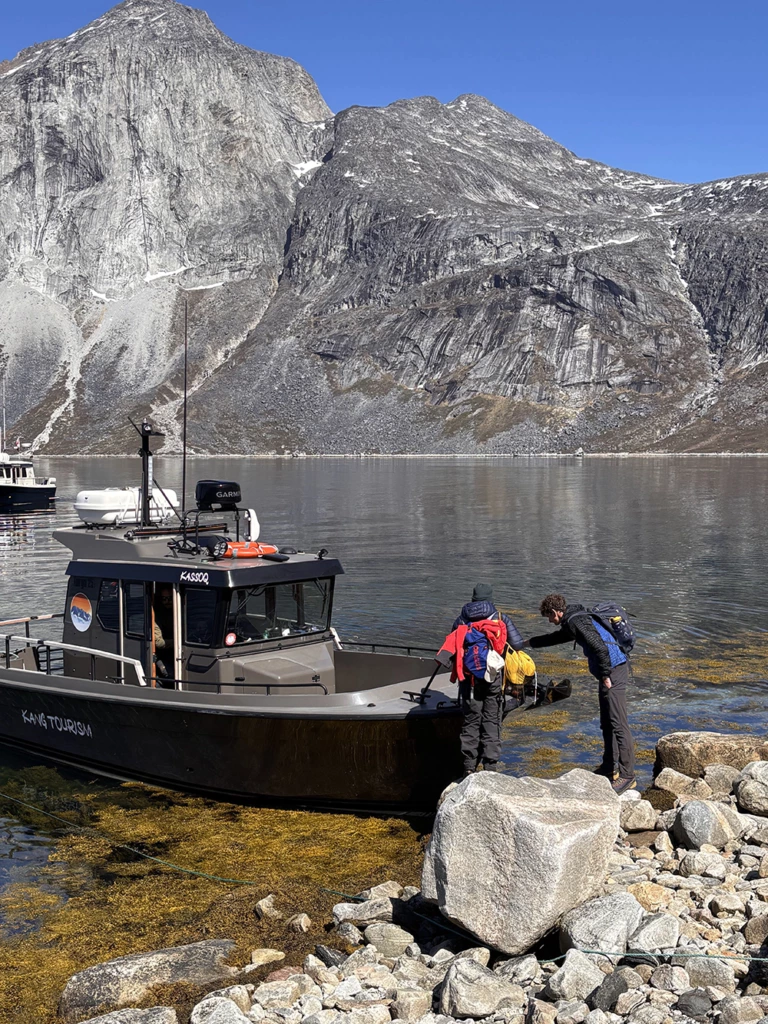
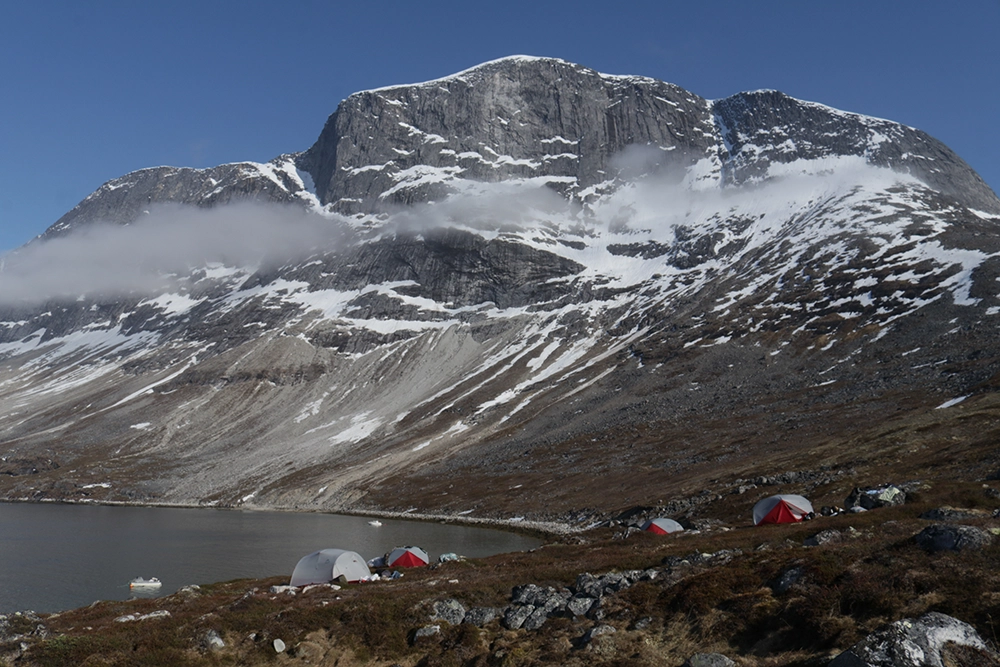
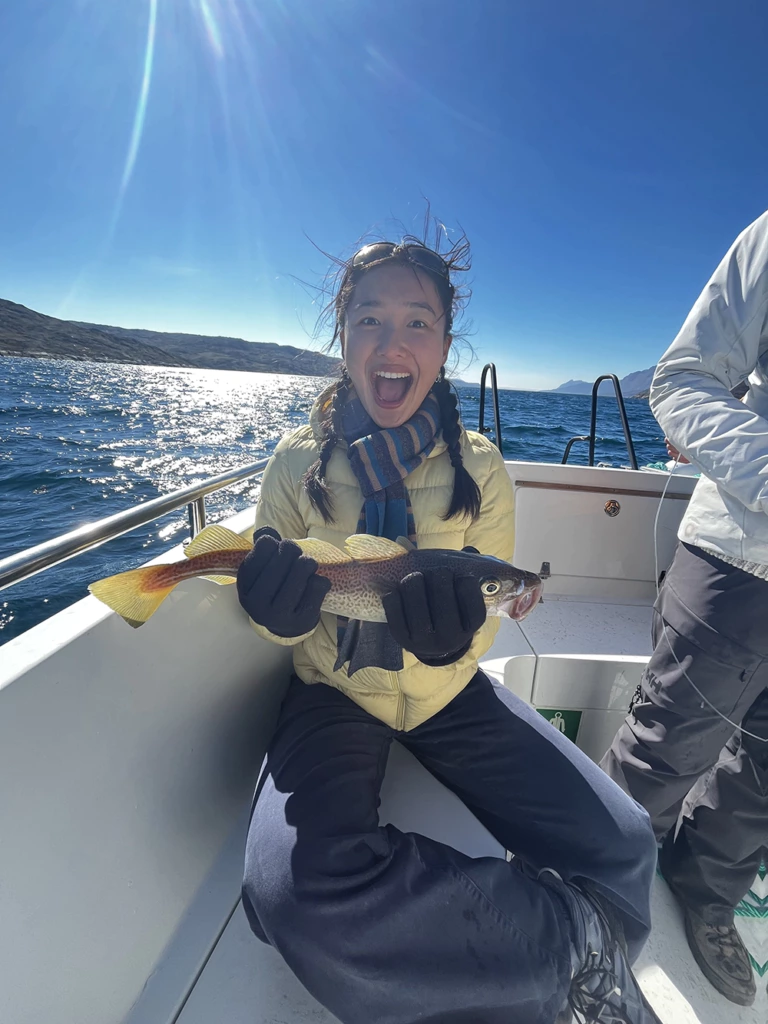
While camping in Sisimiut, we got the opportunity to try both deep-sea fishing and angling fishing. Even though the idea of directly being responsible for the death of an animal disturbed me, I decided to try my hand. A lot of us were successful in catching dinner, myself included. I felt a little guilty when I reeled in a cod, but that guilt disappeared when I thought about the dinner we’d have.
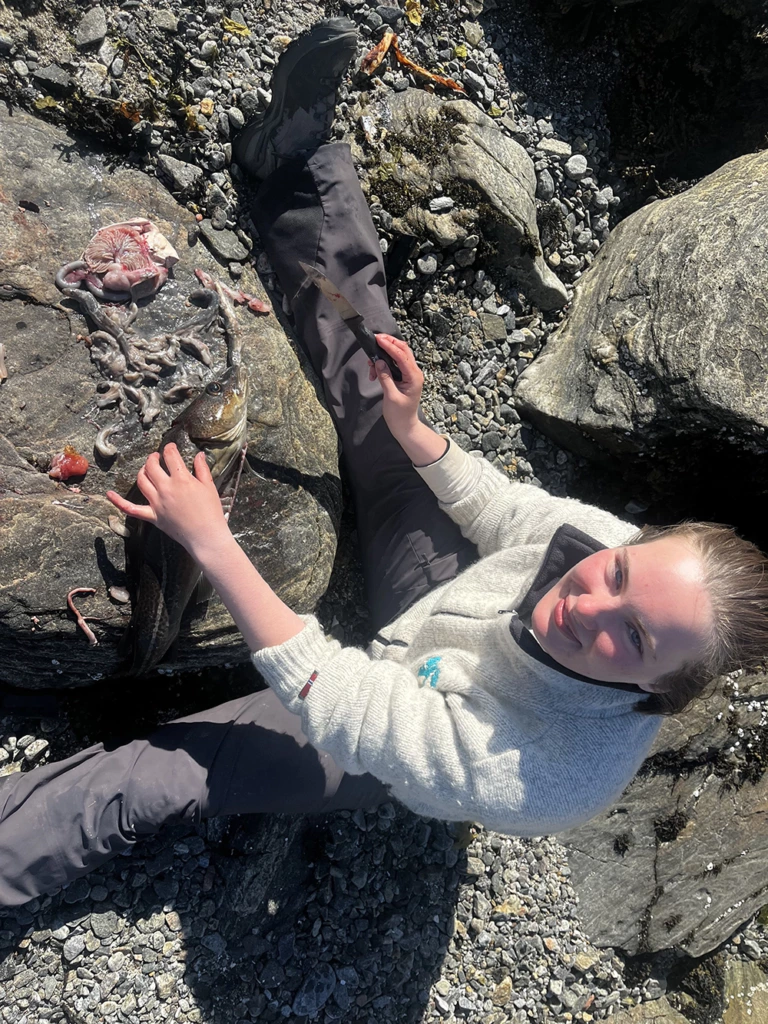
When my friends began gutting and cleaning the fish, I actually wanted to watch, to see how my dinner was coming to be. I touched the intestines and the stomach. Maybe it was easier to start with a less cute animal, or maybe understanding that I was going to eat the fish made the kill feel necessary. We emptied its guts and examined the capelin it had eaten, the way something else had died in order for the cod to live. I was proud that I had helped feed myself and my friends.
I wish I could do the seal intestine workshop over again. Maybe I’d be able to contribute more this time around.
“Something else has to die for you to live. It’s a grounding, humbling value that I had never applied to my life before.”
Getting in touch with the sights
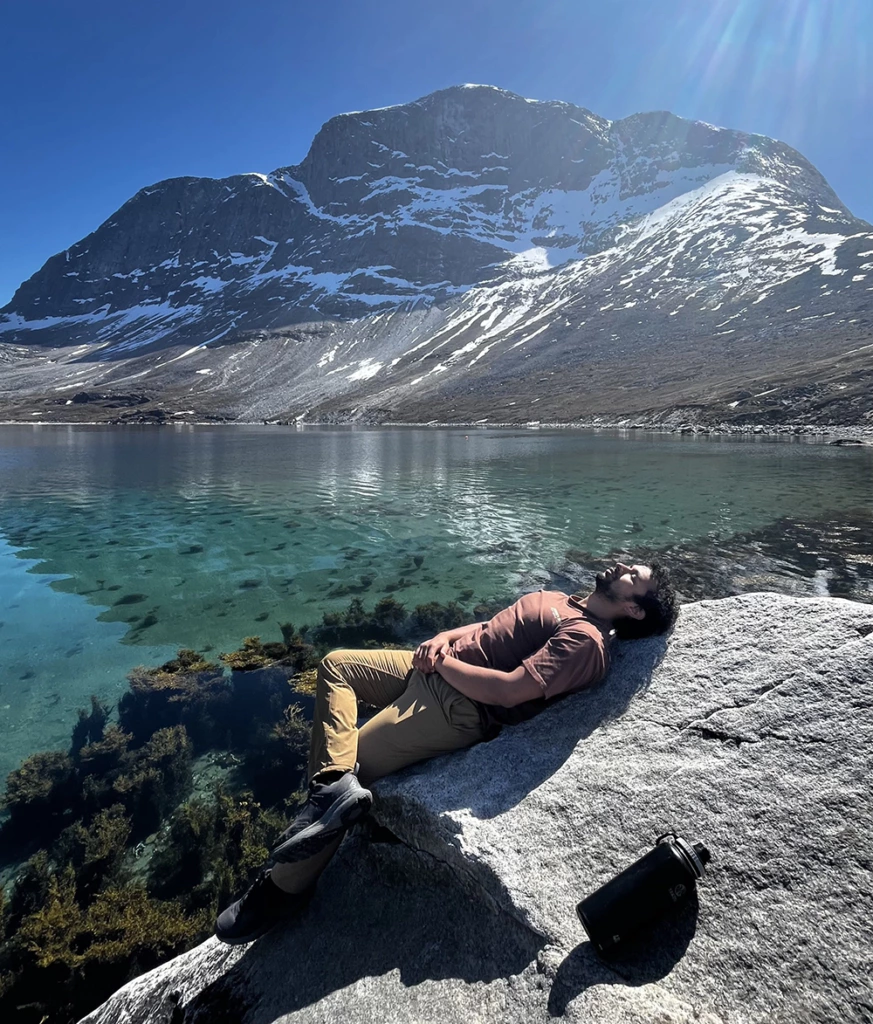
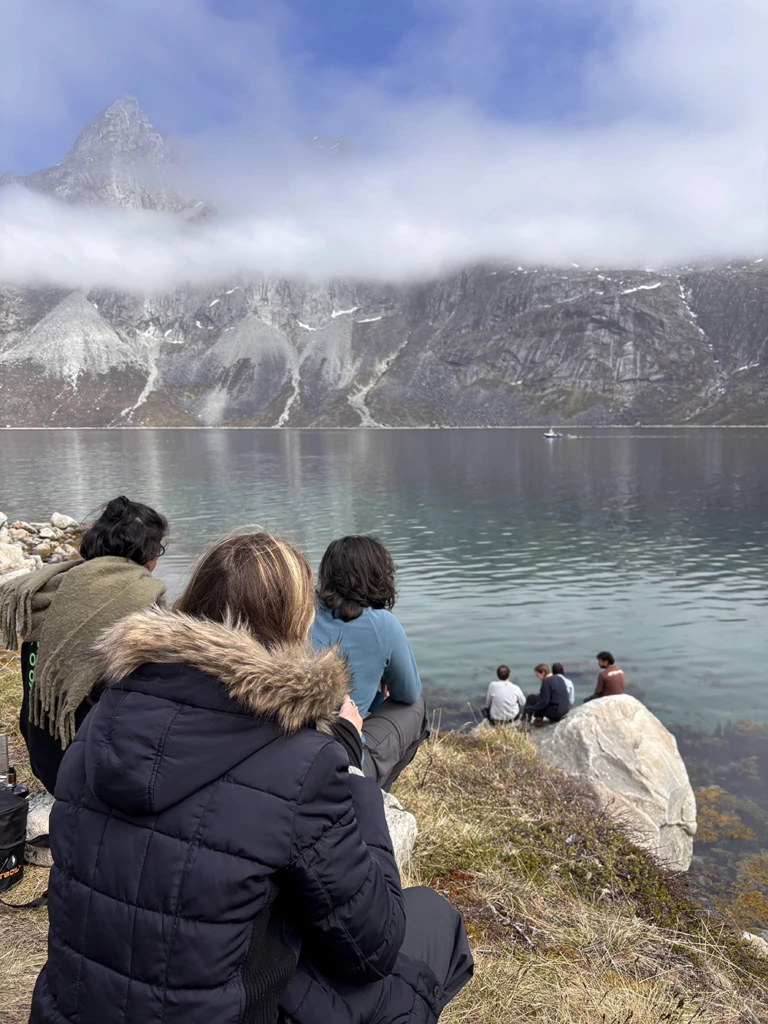
One of the activities on my class’s calendar included the description “Students will be humbled in the presence of nature.” I found it amusing the first time I read it, but it was absolutely true. The Greenlandic landscape isn’t like any I’ve seen before. I’m no stranger to mountains, but I’m not used to the lack of trees. There’s nothing obscuring the views of the fjords or cliffsides.
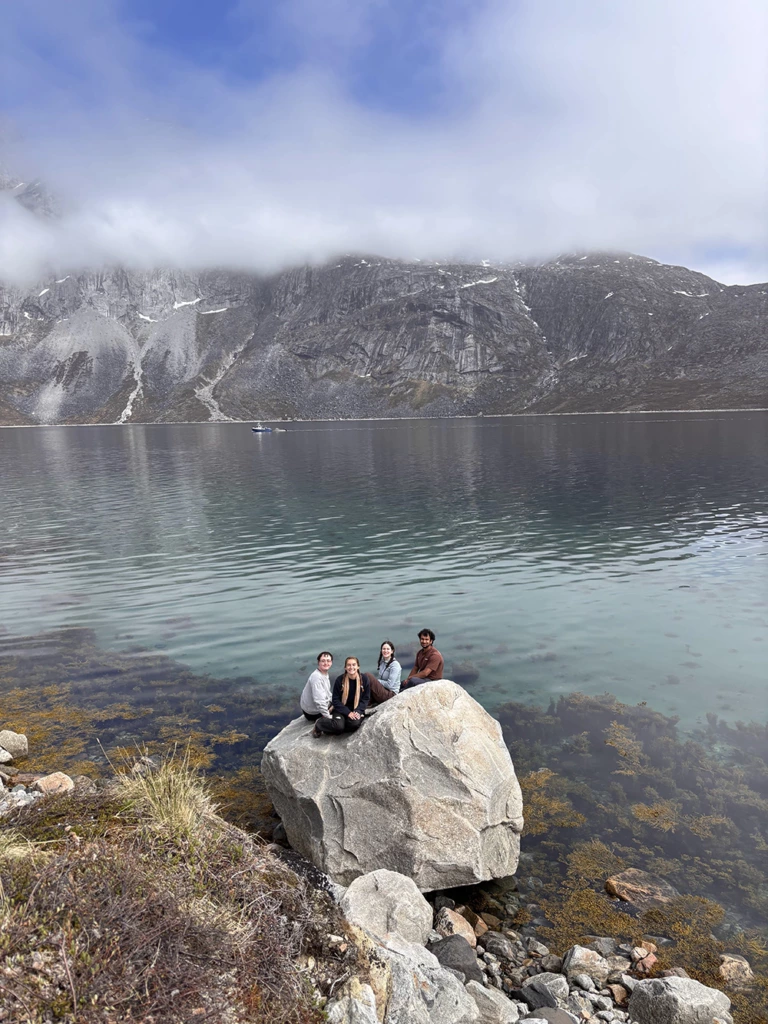
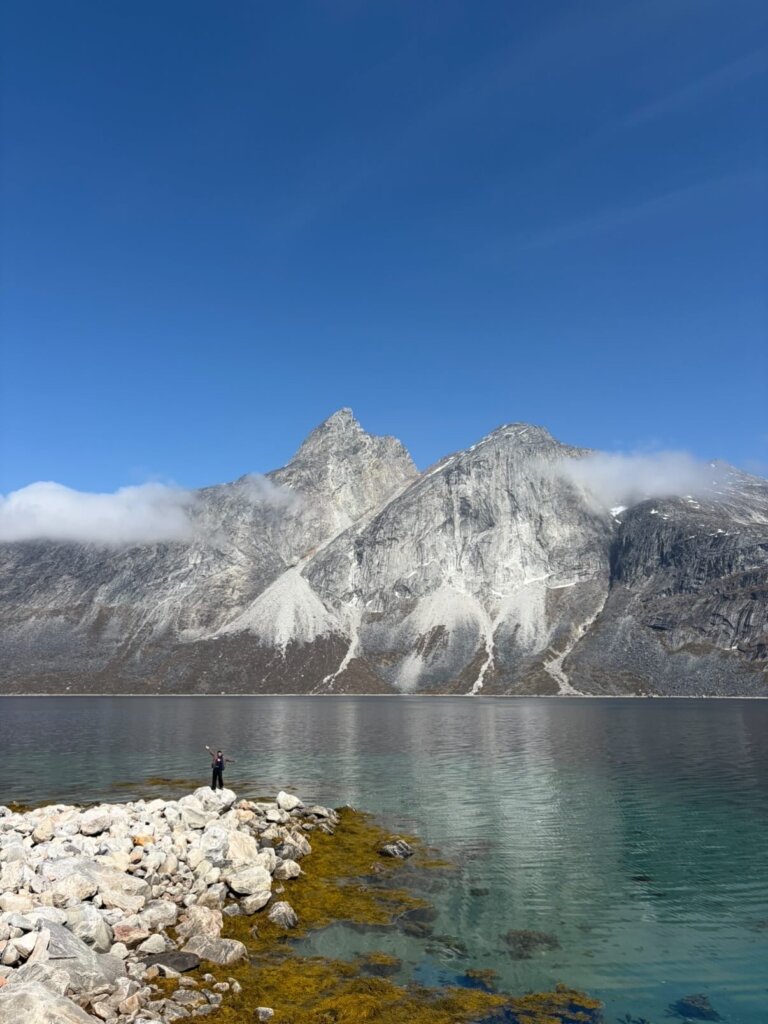
An indigenous value I’ve heard often is that you don’t own the land, the land owns you. This is especially true in Greenland, where the environment is harsh and resource hoarding could mean death. But it’s also true in the sense that I’ve found it difficult to do anything other than stare at the view. Surrounded by mountains and clear water, I’ve never felt so insignificant and utterly okay with being insignificant.
I haven’t seen the night sky in weeks. Whether it’s noon or the middle of the night, the sky looks the same. It completely messes with your perception of the passage of time, but there’s nothing like being outside past midnight and still being able to see the hills in the distance.
I’ve gone hiking in freezing temperatures and in a mosquito head net. I’ve developed awful tan lines and horrible breakouts from bug repellent. But the worst part about spending so much time in the Greenlandic outdoors isn’t the sunburns, rain, or cold. It isn’t the mosquitoes that can bite through wool, the snores echoing throughout the campsite all night, or summiting a mountain on low sleep.
It’s seeing the most breathtaking panoramic mountains and fjords you’ve ever seen, knowing that you’ll never wake up to this view again. Maybe that’s what makes the challenges feel so worth it.